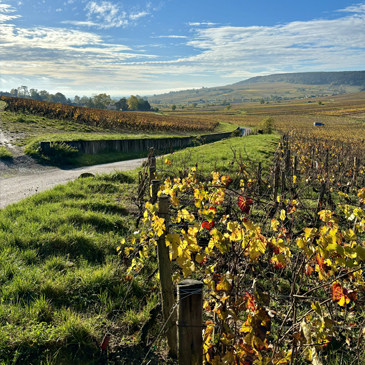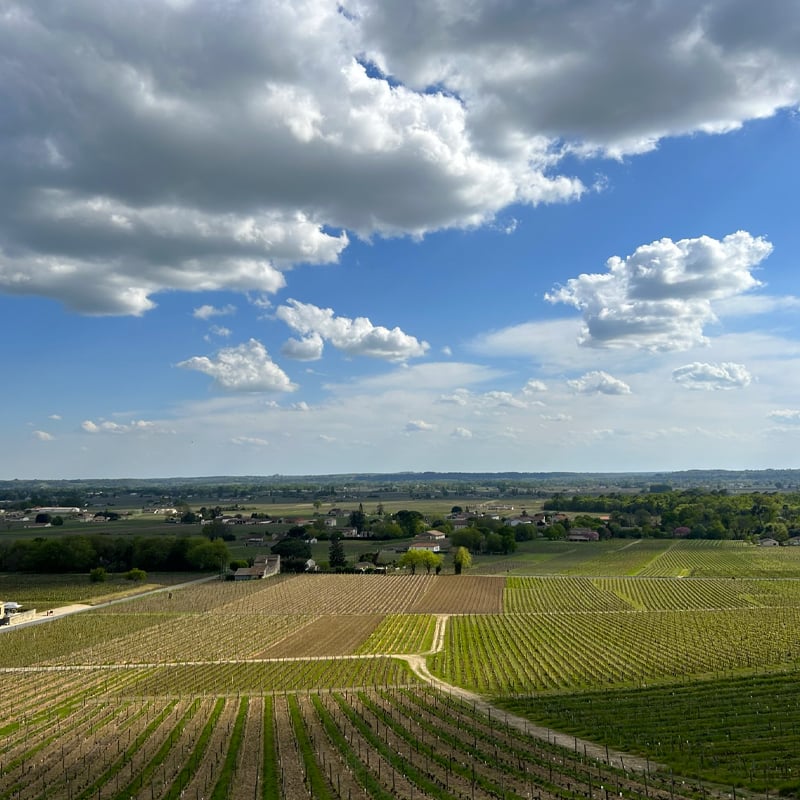
Unobtrusive, mid the Pomerol plateau, the house at Château Pétrus reveals little about the treasures within. That which is all-important here is the vineyard – the result of incongruous geological accident which, allied to Merlot vines, produces the most rarefied, sumptuous and powerful of wines. Pétrus proves that great wine is produced in the vineyard, not the cellar. The Pomerol plateau was formed by a long period of freeze-thaw movement, resulting in a soil mix of fronsadais clay, gravel and ferruginous sand. During this process a buttonhole of clay burst through the thin gravel and it is this which demarcates what has become the vineyard of Pétrus, something which simply cannot be replicated. The clay has a blueish hue and lies over gravel and, deeper again, iron-rich crasse de fer. The annual challenge for the Moueix team is translating terroir, vine and vintage into the glass.
The relationship between Corney & Barrow and Pétrus goes back to 1976 when Corney & Barrow was invited to represent Pétrus exclusively in the United Kingdom. Pétrus is indisputably one of the most sought-after wines in the world. With an average production of only 2,500 cases, demand dramatically outstrips supply so sales the world over are on allocation.
Pétrus – the vineyard
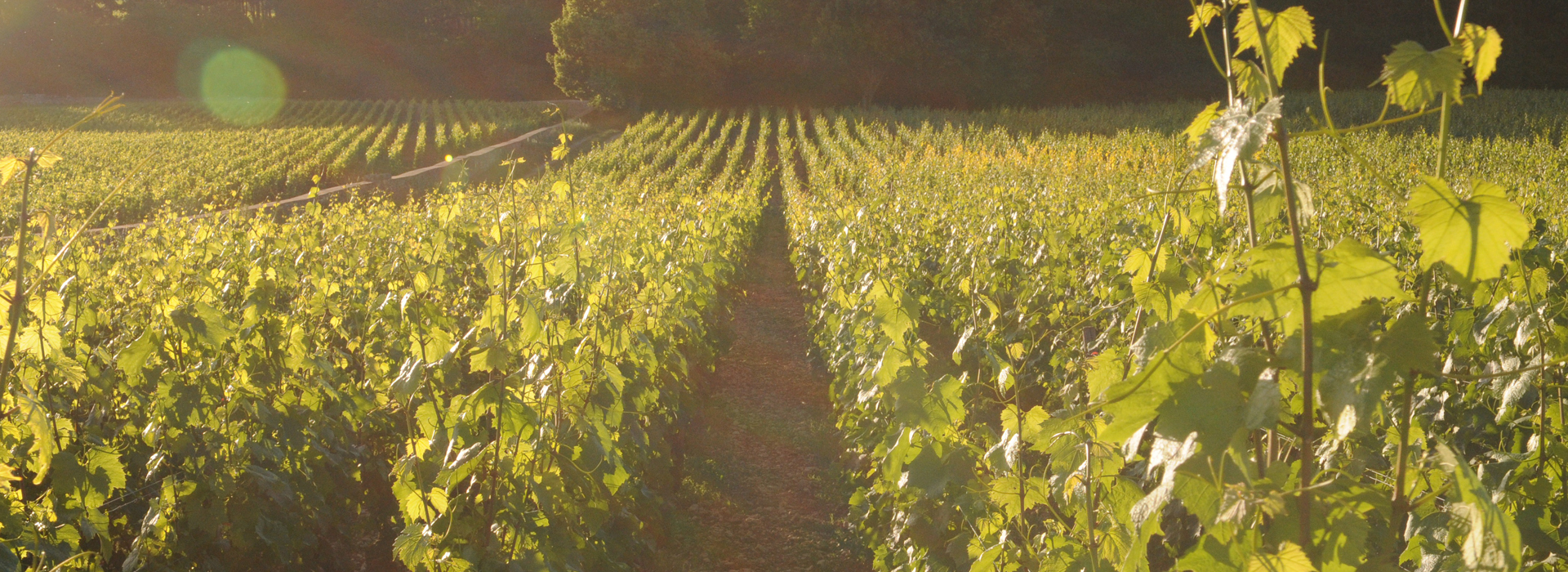
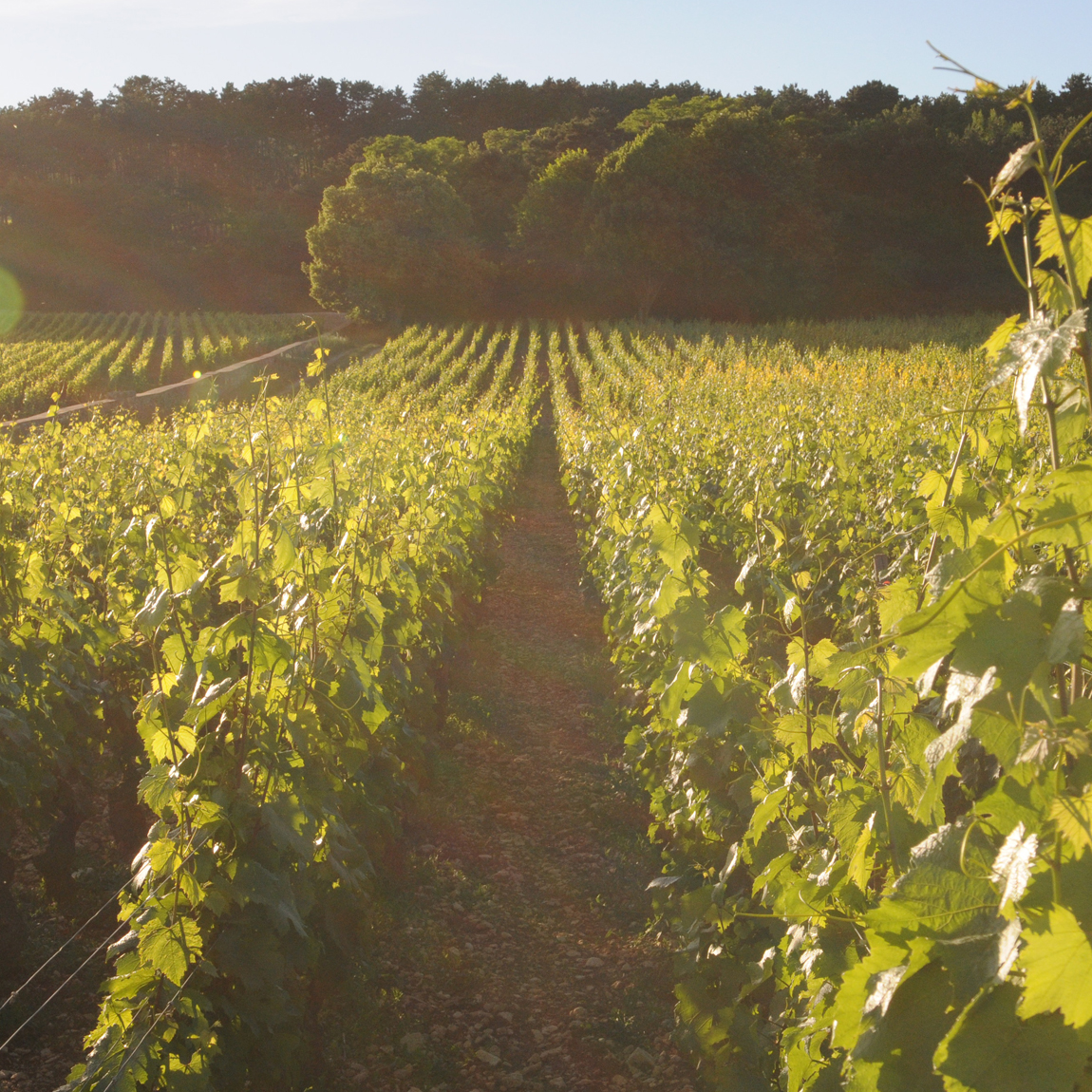
The jewel of Pomerol is the hallowed ground of Pétrus, a small 11.5 hectare site surrounded by La Fleur-Pétrus, Vieux-Château-Certan, La Fleur, Gazin and L’Evangile. The unique nature of the soil, clay on a subsoil of gravel over that extraordinarily hard crasse de fer sets Pétrus apart from its neighbours – allied to the stewardship of the Moueix team. The vines are old, 45 years on average, but with some very old vines, low-yielding but coaxed into rude health through meticulous plant husbandry by the Moueix.
Christian Moueix prefers replanting in blocks to complantation and nowadays massale selection is favoured, propagating from Pétrus’ own, most successful vines.
Pétrus is planted with 95% Merlot, 5% Cabernet Franc but Cabernet rarely makes the grade, being so difficult to ripen, particularly in cold clay soils. There is a slight incline, which helps drainage. The yield is strictly controlled, through rigorous pruning and also éclaircissage – crop thinning. The Moueix team have eliminated up to 50% of the crop, in certain years, to concentrate the power and quality of the remainder – with all of the extra man hours that demands. Christian Moueix was a pioneer in this practise in the Gironde. With perfectionism bordering on understandable obsession, the Moueix redefine haute couture in their care of Pétrus throughout the year, and particularly in the approach to harvest. They have been known to rent helicopters to help dry out the vines when rain has struck during harvest.
Christian Moueix cannot be defined as an early or late-harvest man, though he generally does pick earlier than his neighbours. He picks, quite simply, when the grapes are ready to be picked – ripeness and freshness are joint goals. At that time the Moueix pull out all of the stops, down tools elsewhere and focus on Pétrus. Being so small, Pétrus can be harvested in two or three passages. Harvesting is confined to the afternoons, after lunch, ensuring that the dew has long-since evaporated and that the grapes are dry, warm and optimally ripe.
Pétrus – the cellar
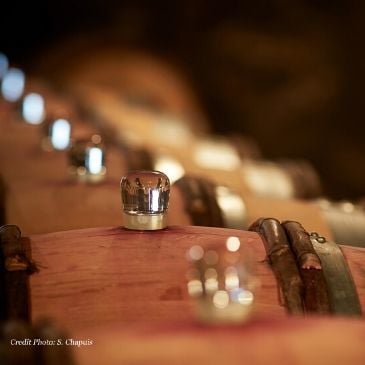
The grapes picked, entirely by hand over a period of two to three days, undergo double sorting and de-stemming, before being fermented in temperature-controlled concrete tanks. Increasingly, parcels are vinified separately and malolactic fermentations are in tank. The young wine is aged in new French oak for up to two years with the length of time and quantity of new oak dependent on the vintage. The wine is racked every three months, fined with egg white and filtered only if necessary. Severe pre-assemblage vat selection is carried out and certain parcels are rejected from the Grand Vin.
Pétrus – the wine
Although Merlot is widely planted throughout the world, it attains a richness and depth in Pomerol rarely seen elsewhere. With Pétrus this quality enters a different level. The concentration and intensity resulting from vineyard husbandry and low yields are translated into power. Pétrus is undeniably a big wine, but it is sumptuousness and an extraordinary concentration of fruit, rather than an enormity of structure which prevail. Pétrus presents intensity, depth, integrity of structure and fathomless colour, which defy description. Concentrated fruit dominates both the tannins and the oak and persistent freshness lifts both the nose and palate. The longevity of Pétrus is prodigious.
Pétrus – the history
Pétrus was owned by the Arnaud family for the better part of 200 years, until the end of the First World War. Madame Edmond Loubat then began buying parcels of the vineyard progressively from 1925 and eventually became sole proprietor. Before her death in 1961, she gave a share in Pétrus to Jean-Pierre Moueix to ensure the company stayed on as managers. The other share was divided between two nieces, one of whom sold out to Moueix in 1964 (see below). Jean-Pierre’s elder son, Jean-François now owns Château Pétrus.
Etablissements Jean-Pierre Moueix
The rise of Etablissements Jean-Pierre Moueix is a dramatic success story, founded on the vision and energy of one man, Jean-Pierre Moueix. One of two sons, Jean-Pierre was something of an outsider to the establishment when he set up his business, offering far from fashionable Right Bank Bordeaux wines, barely recognised by Bordeaux merchants and traditional markets. Jean-Pierre recognised the need to create new markets, which he attacked with gusto, particularly in the Low Countries, which continue be a Moueix stronghold.
He also realised that the best way to differentiate his wines, in quality terms, would be to own the property or, at least, have a hand in the vineyard and cellar management. Thus began an a series of acquisitions and the forging of long term relationships with properties with which J-P Moueix have worked for decades. Ets Jean-Pierre Moueix, based in Libourne, now owns, part-owns or manages a large number of estates in Pomerol and Saint-Emilion.