

403 Forbidden
ERR_WEB_NGX_403
It looks like you are still using an browser that is no longer supported with security updates. Some features on this site may not work including the checkout. We strongly recommend that you either update your browser or use another one such as:
Google Chrome Microsoft Edge Firefox Safari
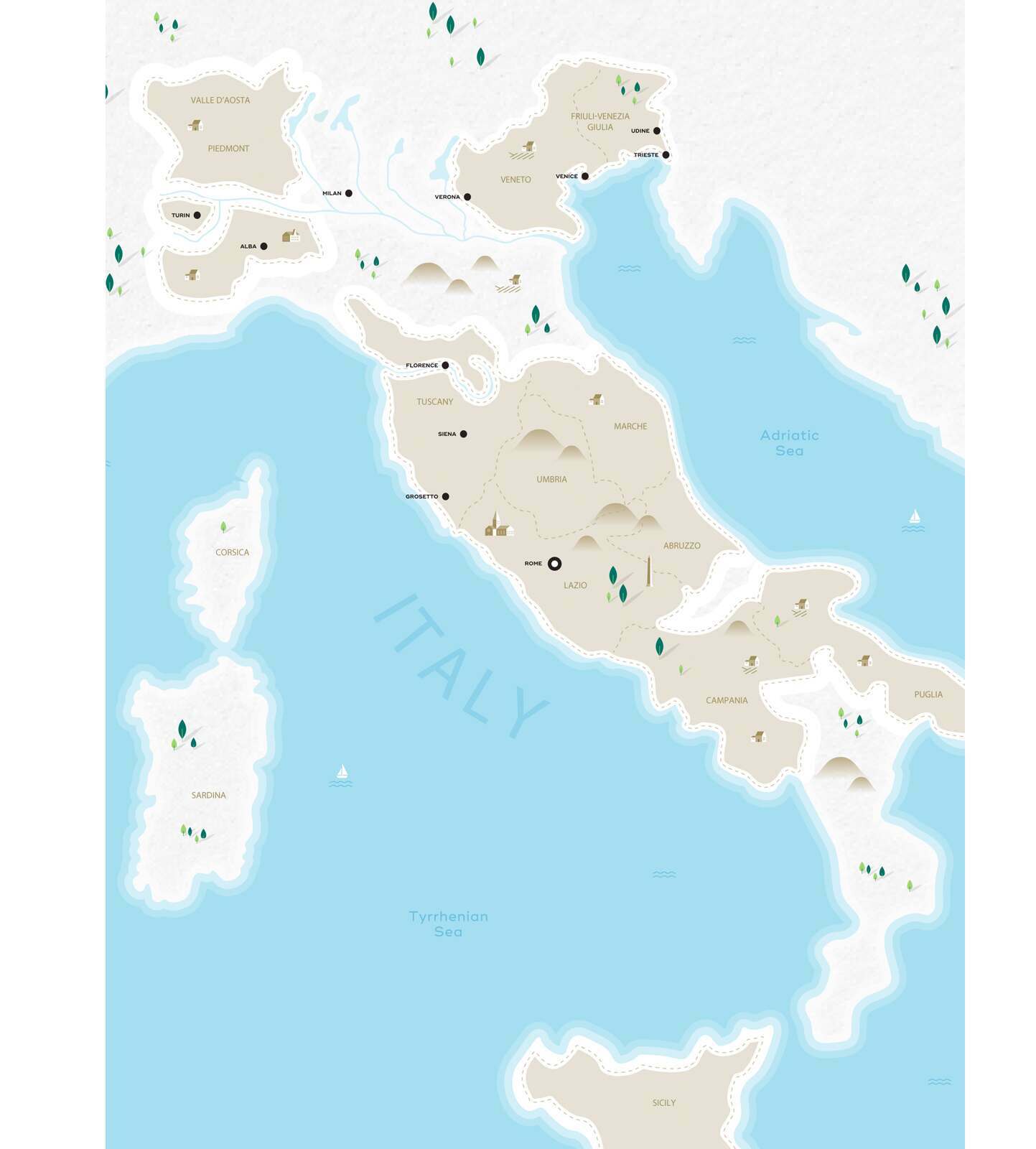
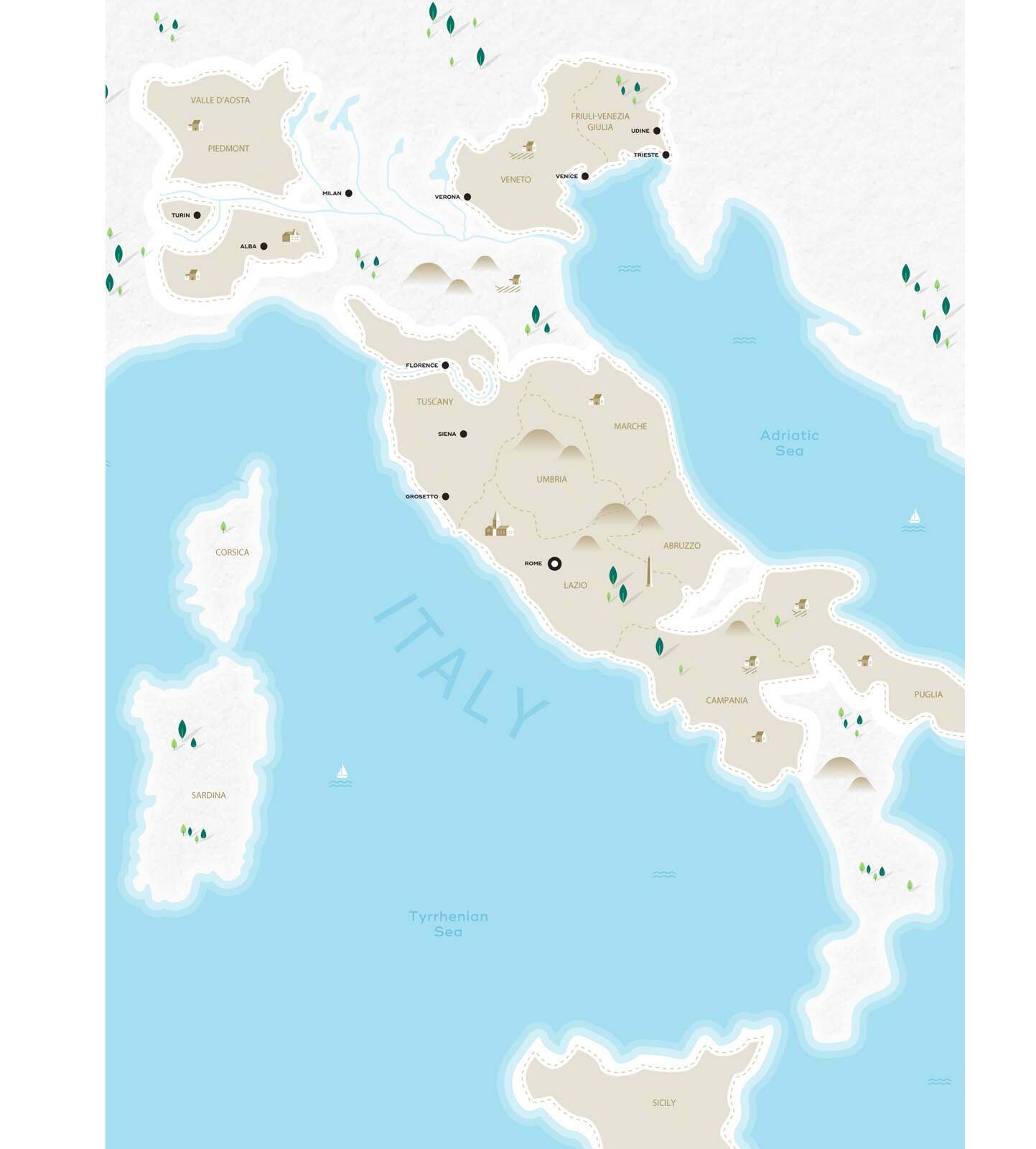
Wine regions across Italy
Largest wine producer in the world
The number of years that Italy has been producing wine
Exclusive Region
Veneto
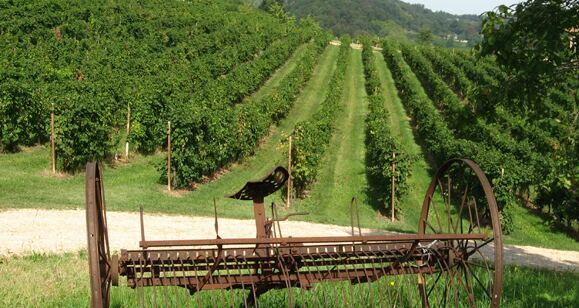
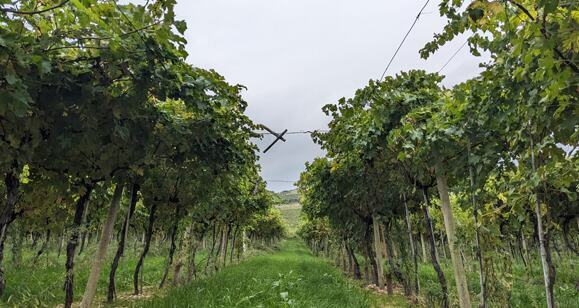
The Le Colture winery produces some of Italy’s best Prosecco and sparkling wines. The winery has been in the hands of the Ruggeri family since 1500 and specialises in making high quality sparkling wines. Today, the property and business is run by Alberto and his sisters Veronica and Silvia, under the tutelage of their father Cesare and uncle Renato, who pride themselves on their wealth of winemaking experience, knowledge of the territory and an inborn sensitivity for the health of the vines and the quirks of the cellar. The bottles that leave this vineyard each year are the result of a close knit family collaboration, with each member directly involved at every stage of production from vineyard management to the final phase of shipping. The Ruggeri family own all their own vineyards in the very heart of Valdobbiadene, the homeland of Prosecco.
Veneto
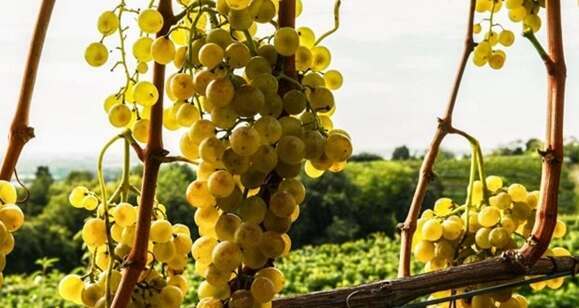
Pasqua is a family company who since the early 1920s have built up their wine business to become a force to be reckoned with! In the 1960s, the Pasqua brothers Carlo, Giorgio and Umberto gave the company a new momentum acquiring more vineyards, and increased investment in winemaking equipment and a new focus on quality-driven techniques. The Cecilia Beretta estate was founded in the 1980s, just to the east of the famous wine village of Valpolicella. It was named after the 17th century agronomist and poet Count Giuseppe Beretta, who built the beautiful Villa in Mizzole in the heart of the estate, now surrounded by vineyards. The local Pasqua family had owned the surrounding vineyards since the 1940s; a renewed drive for quality and a concentration on modern oenological technologies became a priority in the 1980s as competition from ‘New World’ wine producers forced traditional winemaking countries like Italy to up their game. Thus the quality-focused Cecilia Beretta winery was born. By 1998, this experimental terrain became the research centre of the local university’s Agricultural faculty. The primary objective of the family winery now is to make the highest quality wines possible from the indigenous grapes of the region. Through Cecilia Beretta range, the Pasqua family aims to recapture the force and personality of the traditional wines of the Valpolicella and Soave areas, which are the precious products of a unique and original history and culture.
Veneto
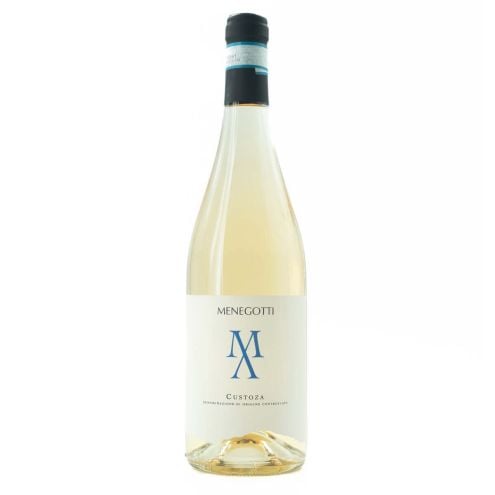
The history of the Menegotti family starts with the ‘Nonno’ (Grandfather), Antonio Menegotti, who started making wines in the 1950s. In the 1970s his sons Vittorino and Giorgio bought vineyards from Count Mendini, a local landowner whose vines Antonio had tended to over the years. By 1972, they produced their first wine under the Menegotti brand and legacy, launching a DOC Custoza, Bardolino, and Chiaretto di Bardolino. Over the next twenty years, the family expanded their wine portfolio. By the 1990s, third - generation Antonio (named after Nonno) and Andrea took over the reins. The Menegotti’s objective is to create wines that express the terroir and are loyal to tradition, while being open to innovation and what that can bring. They are seeking elegance - a balance between all elements to create delicious and harmonious wines - semplicemente delizioso!
Piedmont
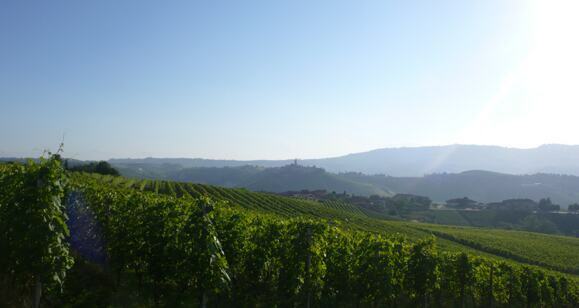
Roberto Conterno is firmly rooted in his native Langhe in Piedmont, north-west Italy. This is one of the most staggeringly beautiful wine-producing regions in the world; vast and breathtaking with undulating hills adorned with woodland and striking, steeply-sloped vineyards. Roberto is now at the helm of the celebrated Barolo house Cantina Giacomo Conterno, having assumed the mantle on his father Giovanni’s untimely death in 2004. It cannot ever be easy to take over from an iconic figure and Roberto descends from a line of them.
Piedmont
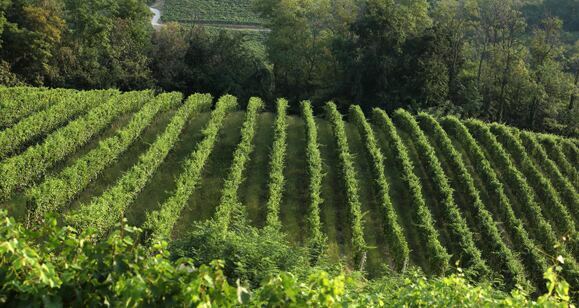
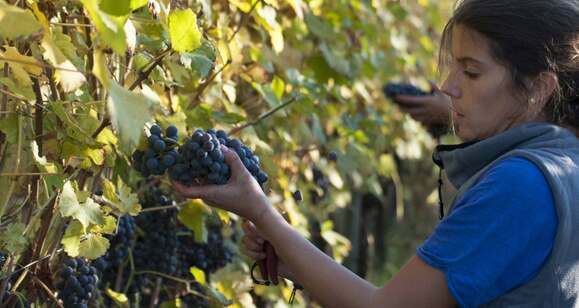
Azienda Vitivinicola Nervi dates back more than 100 years. The history of wine in the area goes back even further. The 10th century tower, Torre delle Castelle, that still stands prominently above the town (at a similar height to the top of the Molsino vineyard) was built to guard the vineyards. The Valferana vineyard, can be traced back to 1242. In 1787, Thomas Jefferson (remember that name for a new wine mentioned later) stayed at the Hotel “Tre Re” in Vercelli and drank his first Gattinara. The wine made a lasting impression and was the beginning of his passion for Nebbiolo. From the evidence in his journals, it has been deciphered that this wine was most likely a sparkling rosé: “There is a red wine of Nebiule made in this neighbourhood which is very singular. It is about as sweet as the silky Madeira, as astringent on the palate as Bordeaux, as brisk as Champagne. It is a pleasing wine.” Things have moved on since then!Until the end of the 19th century, Gattinara was held in far higher regard than either Barolo or Barbaresco. Phylloxera ravaged the vineyards, reducing the area from over 600 hectares to just over 100. In 1872, a relative of Luigi Nervi’s, Pietro Giovanni Nervi, helped establish Italy’s second oenological research station in Gattinara. The analysis performed at the centre resulted in the 1875 quality classification of North Piemonte’s terroirs. Gattinara was placed first, followed by Lessona, Grignasco, Ghemme, Cossato, Sizzano, Boca and Briona. The head of the research station, Giovanni Battista Cerletti commented:“The best wines of North Piemonte enter into the category of Grands Vins d’Italie and match the great wines of Bordeaux and Burgundy, particularly the latter to which the North Piemontese wines are similar. This conclusion is supported by the prices obtained by a good Gattinara or Ghemme.” Italo, the only son of Margherita and Luigi Nervi, was largely responsible for obtaining the official DOC classification for Gattinara in 1967, with the higher quality DOCG classification obtained in 1990. The wines must contain at least 90% Nebbiolo, known locally as Spanna, with up to 10% Bonarda di Gattinara and no more than 4% Vespolina. Ageing is in oak for a minimum of one year, two years for riserva, plus two years in bottle.
Piedmont
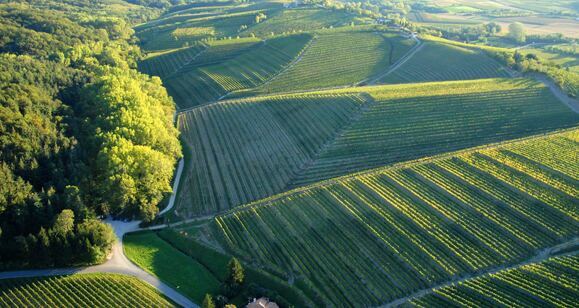
The wines of Giulia Negri are relative newcomers, though Giulia comes from a family steeped in local winemaking history. The family estate has 150 years of experience producing top Barolo and Barbera. Daughter of the house, Giulia Negri, inspired by small artisan producers and supported by her family, has set up her own small estate – where she can make her own rules, to a degree, whilst respecting tradition. Barolo La Tartufaia represents the best production of two crus, Serradenari (the highest point in Barolo) and the Brunate vineyard. The former is a later ripening site due to fresh winds and high altitude. This makes for intense minerality and considerable finesse. The grapes of Brunate mature earlier and contribute underlying power as well as diverse mineral complexity. Barolo has recently been mapped out to highlight specific crus and historical areas, which have been given the official identification of MGA (Menzione Geografiche Aggiuntive). Both Brunate and Serradenari have officially been recognized as “vineyards of historical value and of well-defined boundaries, which produce a well-known and specific wine”. Although something of a mouthful, this is, at least, an honest, clear guide to customers.
Friuli Venezia Giulia
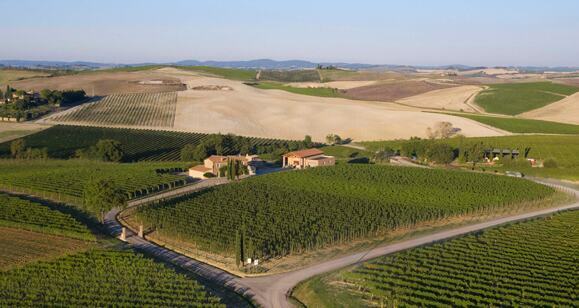
Tunella Estate is today run by Min’s grandsons, Massimo and Marco, alongside their mother, Gabriella. During the early ‘90s, the family resolved to regenerate the property and concentrate on the production of high-quality wines. Old vineyards were replanted, new land acquired, new varieties introduced and production was intentionally cut, with harvest taking place almost entirely by hand. A brand-new winemaking cellar and showroom were opened signifying the estate’s launch into the national market, with participation at trade fairs and competitions to promote the wines even further. Following this investment and hard work in 2002, the family sensed that finding a new name for the estate was the final step needed to establish the winery’s identity in the international market. So Azienda Agricola ‘Tunella’ was born. Tunella is named after the hillside hamlet, where the vines are grown. The specific rare mix of marl and sandstone soils on this hillside is known as ‘Ponca’ and is said to be the key to the quality, flavour and fragrance of Tunella’s wines. The winery works with both classic international and local varieties, which each show the stunning, characteristic viscosity and purity of fruit for which the Friuli-Venezia-Giulia is famous. These exceptionally expressive wines are made with great care and attention from tiny yields.
Tuscany
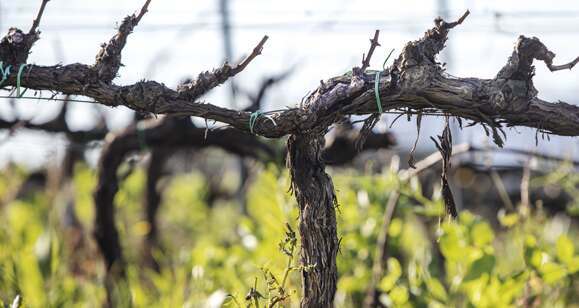
The estate’s history traces back to 1290. Three Ridolfi families stem from an ancient Tuscan lineage. One of these – the Ridolfi of Borgo – originated the Sienese branch called “dalla Contrada”. That is the Ridolfi family that gives their name and crest to this estate in Montalcino. The estate was bought in 2011 by Giuseppe Valter Peretti, owner of the Rocchetto estate in Larciano in Chianti, about twenty kilometres south of Pistoia. 2014 Gianni Maccari joined as winemaker after a long time (14 years) working at the esteemed Poggio di Sotto. He is now joined by his son Filippo who has just finished his winemaking and vineyard studies. In 2021, this estate was named by the Gambero Rosso as one of Italy’s “up and coming estates”.
Tuscany
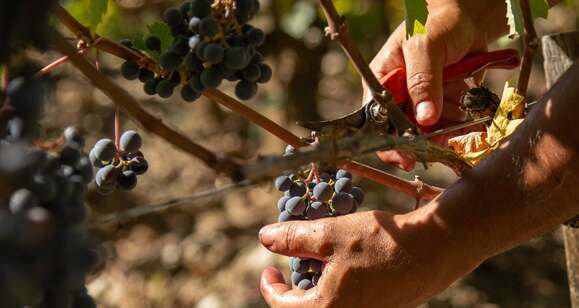
In 1994 when Lodovico was scouting for land to expand the great super-Tuscan estate Ornellaia, he came across a unique 90 hectare estate that would later become Biserno. Tucked away in the hills of Bibbona in the Upper Maremma, Lodovico found that the geological and topographical features of the estate were too different to those of Ornellaia — largely due to the fact that soils were too stony and the area too hilly to create a contiguous plot — and so despite falling in the love with the site, the creation of Biserno would have to wait. However, following the sale of Ornellaia in 2002, Lodovico was free to renew his interest in the estate that captivated him 8 years earlier, and in partnership with his brother Marchese Pietro Antinori, Tenuta di Biserno was formed.
Tuscany
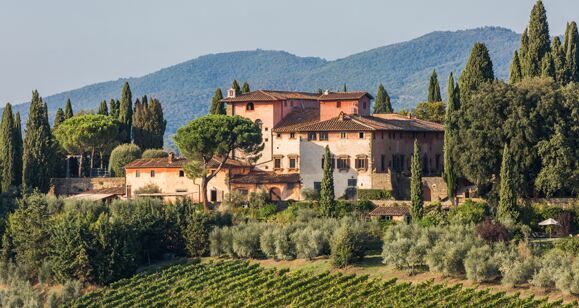
Andrea Franchetti acquired the property in the 1980s and in the beginning of the 1990s started planting his first vines. His love of a challenge appears to know no bounds. He set up home temporarily in a semi-ruin in a remote area of southern Tuscany - the Val D'Orcia. He had set his sights on a dilapidated property atop the next hill to be the site for his dream vineyard. There were no access roads and what is now vineyard was woodland and scrub - but that all seems to have had little bearing on Andrea's determination to produce wine here. Andrea knew instinctively that Trinoro could be a fabulous site both in its geographical positioning and in its soil, which is rich in marine deposits. Trained in Bordeaux, he is certain that terroir is everything.
Tuscany
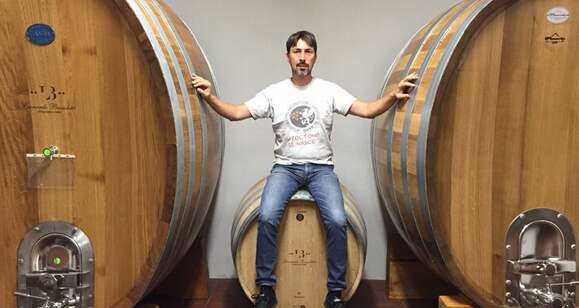
Estates are usually small and the undulating landscape serves as a heat trap for the region, which is ideal for the production of red wine with good ageing potential. Chianti is the true home of the Sangiovese grape and Vignamaggio’s vineyards are located in Greve-in-Chianti, within the superior Chianti Classico zone. Situated halfway between Florence and Siena, the Vignamaggio estate, in its quintessentially beautiful Tuscan setting, was built by the Gherardini family at the beginning of the 15th century. Rich in history and intrigue, it is said that Leonardo da Vinci’s perhaps most celebrated portrait, the Mona Lisa, was born here! It was also thanks to a Vignamaggio wine that the term ‘Chianti’ was first used in 1404, spawning Italy’s most successful wine ‘brand’. The estate was then bought and restored to its former glory by Gianni Nunziante. The success of this restoration was confirmed in 1993 when the villa and its grounds had the honour of being chosen as the stunning set for Kenneth Branagh’s film version of Shakespeare’s play ‘Much Ado About Nothing’. In very recent times, a change of ownership has ushered in an exciting new era at Vignamaggio, notably the restoration of its historic buildings and the redevelopment of the wider estate along the lines of the mediaeval ‘gran giardino’ concept — a polyculture where vineyards thrive alongside olive groves, vegetable gardens, orchards and a forest.
Umbria
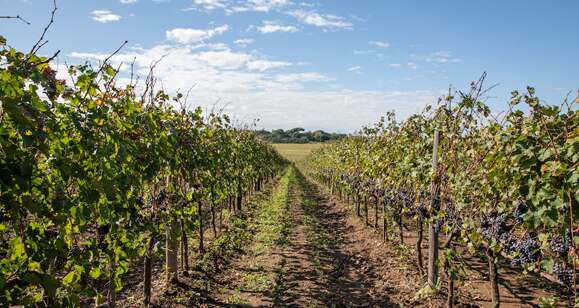
A passionate advocate for Umbrian wines and a leader in the revival of native grape varieties. Leonardo aspires to make quality wines with lesser-known grapes, driven by the belief that several varieties in his area deserve a better fate. In 2009 Bussoletti inherited seven hectares of agricultural land and decided to switch from wine sales to winegrower. With the assistance of his friend, expert agronomist Federico Curtaz, they looked for areas with the best conditions for growing quality Grechetto, Trebbiano and Ciliegiolo grapes. Enlisting help from the University of Milan, the duo searched for the best clones upon which Leonardo would base his business. Leonardo is also a founder of the Association of Ciliegiolo Producers of Narni, a group that aims to spread knowledge of the incredible properties of the Ciliegiolo grape. In 2022, 11 producers banded together to form this group. A man who loves food and wine, Leonardo takes inspiration from Burgundy to produce wines of stylistic elegance and Burgundian nuance.
Lazio
The story of Alberico began in 1946, when Alberico Boncompagni Ludovisi, Prince of Venosa made the (then) bold decision to plant Bordeaux grape varieties on his property, just outside the city limits of Rome, near the famous Appian Way. The Cabernet Sauvignon, Merlot, Sémillon and Malvasia di Candia vines were tended to organically and the wines made with a delicate hand in the cellar. They quickly garnered a cult-like following from those in the know. In the words of Ian d’Agata, they were “often in the same quality league as Sassicaia or Solaia.” However, in 1995, on his final vintage, the prince uprooted all but four rows each of Merlot and Cabernet. Since inheriting the property from her grandfather in 2005, Alessia Antinori has breathed new life into this almost-forgotten Roman gem. She is determined as ever to realise the vinous potential of Lazio whilst continuing her family’s legacy. The philosophy is simple, thoughtful farming to encourage biodiversity and the development of healthy, resilient vines and a low-key approach in the cellar.
Custoza Cantina Menegotti 2025
Italy Veneto Menegotti (Cantina)
Custoza Cantina Menegotti 2025
Exclusive
Corney & Barrow
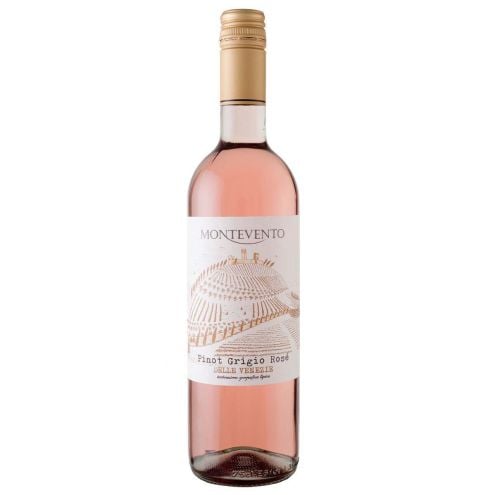
Pinot Grigio Rose Montevento 2025
Italy Veneto Pasqua Vigneti e Cantine
A fresh, well balanced and fruity wine with elegant, floral notes and hints of pear and apricot.
Exclusive
Corney & Barrow
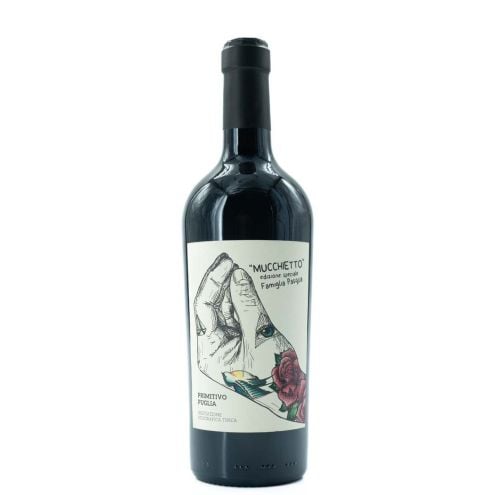
Mucchietto Primitivo IGT Puglia 2024
Italy Puglia Pasqua Vigneti e Cantine
Fresh red cherry, with a hint of sweet spice on the nose, the palate is crammed with juicy plums and blueberries, cinnamon and vanilla, with dark chocolate. The wine has velvety tannins and an uplifting fresh finish to balance the rich fruit.
Exclusive
Corney & Barrow
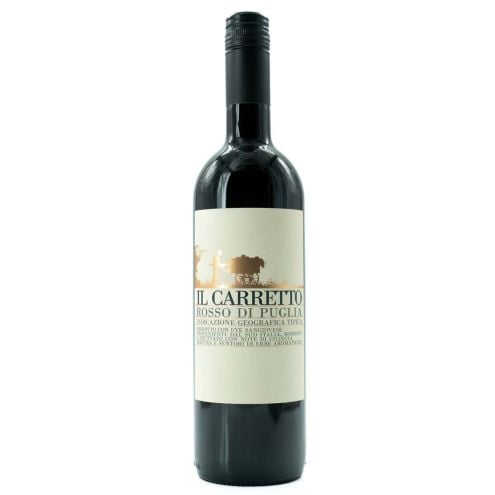
Il Carretto IGT Rosso di Puglia 2024
Italy Puglia Pasqua Vigneti e Cantine
This moreish, juicy Sangiovese comes from selected vineyards in Italy's warm South.
Exclusive
Corney & Barrow
Your cart contains both retail and in-bond products, you cannot checkout with both.