It looks like you are still using an browser that is no longer supported with security updates. Some features on this site may not work including the checkout. We strongly recommend that you either update your browser or use another one such as:

Google Chrome Microsoft Edge Firefox Safari
Contact us
About us
Loading...

Wine Region

Piedmont, Italy

Vineyard

28 hectares

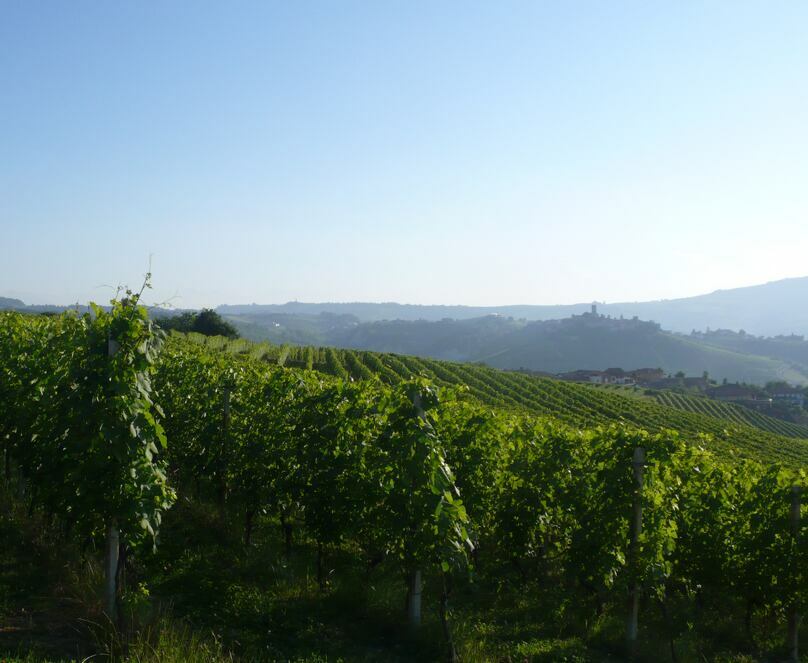
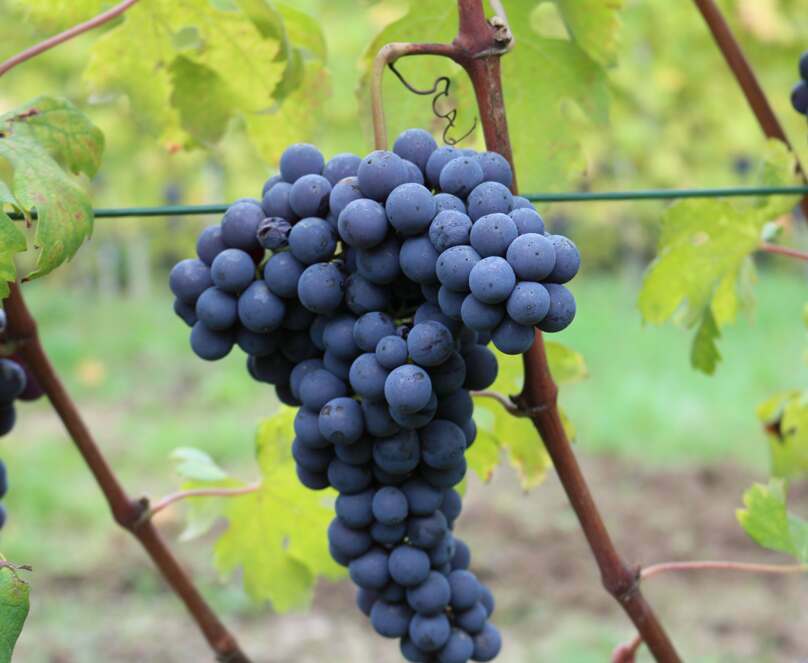
Azienda Vitivinicola Nervi dates back more than 100 years. The history of wine in the area goes back even further. The 10th century tower, Torre delle Castelle, that still stands prominently above the town (at a similar height to the top of the Molsino vineyard) was built to guard the vineyards. The Valferana vineyard, can be traced back to 1242. In 1787, Thomas Jefferson (remember that name for a new wine mentioned later) stayed at the Hotel “Tre Re” in Vercelli and drank his first Gattinara. The wine made a lasting impression and was the beginning of his passion for Nebbiolo. From the evidence in his journals, it has been deciphered that this wine was most likely a sparkling rosé: “There is a red wine of Nebiule made in this neighbourhood which is very singular. It is about as sweet as the silky Madeira, as astringent on the palate as Bordeaux, as brisk as Champagne. It is a pleasing wine.” Things have moved on since then!Until the end of the 19th century, Gattinara was held in far higher regard than either Barolo or Barbaresco. Phylloxera ravaged the vineyards, reducing the area from over 600 hectares to just over 100. In 1872, a relative of Luigi Nervi’s, Pietro Giovanni Nervi, helped establish Italy’s second oenological research station in Gattinara. The analysis performed at the centre resulted in the 1875 quality classification of North Piemonte’s terroirs. Gattinara was placed first, followed by Lessona, Grignasco, Ghemme, Cossato, Sizzano, Boca and Briona. The head of the research station, Giovanni Battista Cerletti commented:“The best wines of North Piemonte enter into the category of Grands Vins d’Italie and match the great wines of Bordeaux and Burgundy, particularly the latter to which the North Piemontese wines are similar. This conclusion is supported by the prices obtained by a good Gattinara or Ghemme.” Italo, the only son of Margherita and Luigi Nervi, was largely responsible for obtaining the official DOC classification for Gattinara in 1967, with the higher quality DOCG classification obtained in 1990. The wines must contain at least 90% Nebbiolo, known locally as Spanna, with up to 10% Bonarda di Gattinara and no more than 4% Vespolina. Ageing is in oak for a minimum of one year, two years for riserva, plus two years in bottle.
  • 100

    Azienda Vitivinicola Nervi dates back more than 100 years.

  • Ageing

    Ageing is in oak for a minimum of one year, two years for Riserva, plus two years in bottle

  • 4.6ha

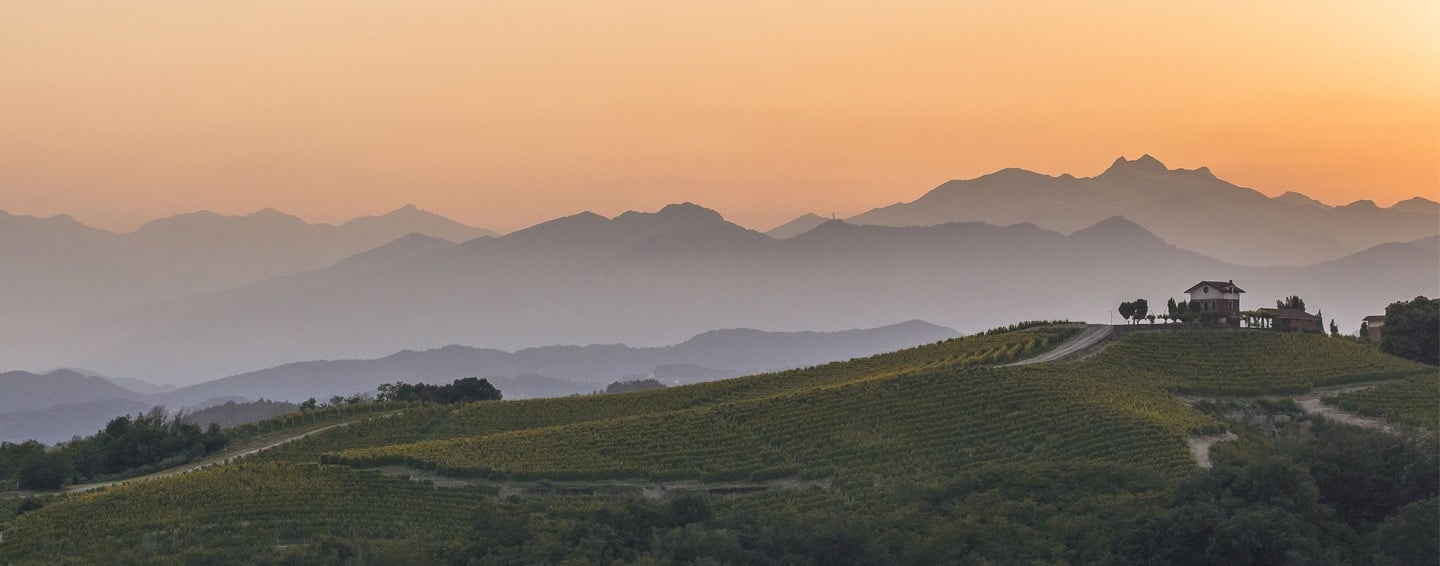
    At 400 metres above sea level, there are fourteen hectares here, 4.6ha of seriously good Barbera and 9.4ha of Nebbiolo (think outstanding Barolo) - a fabulous site.

Cellar

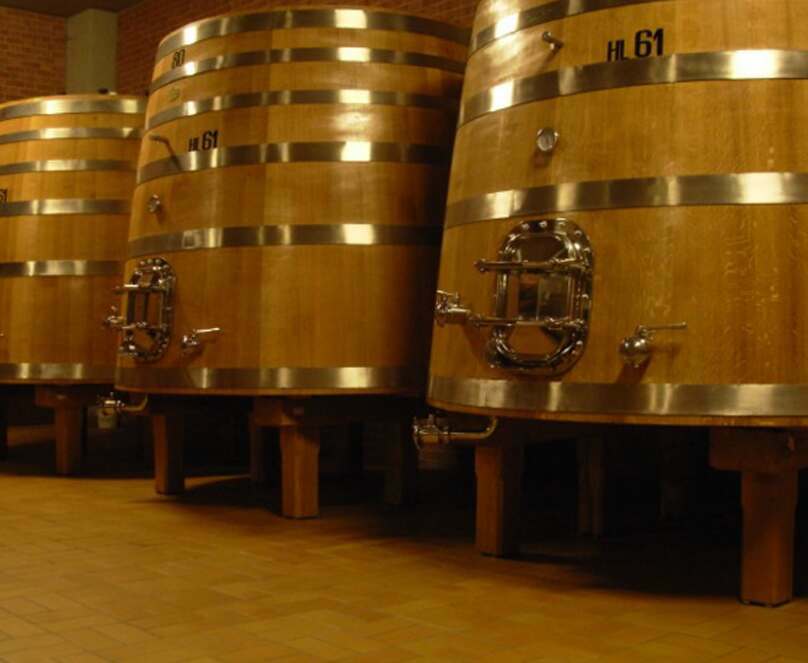
In the cellar, native yeasts are used. Roberto is incredibly hands-on here, as one would expect. For the single vineyard wines- Vigna Valferana and Vigna Molsino - there is gentle destemming and crushing. Fermentation is in truncated conical oak vats, at controlled temperatures. Maceration lasts three to four weeks. The ageing that follows is for a minimum of 40 months in old wood. The sizes of the old wood vary up to 76hl; it is an extraordinary cellar. For the Gattinara, similarly, destemming and crushing is very gentle, followed by fermentation, again at controlled temperatures. The ageing here is for 30 months in large old wood. Large oak casks, or botti, are used for ageing. More than 100 years of wine production have shown that only through a long and controlled ageing process can the high potential of Nebbiolo tannins be transformed into a well-balanced wine. For this reason, in the Nervi cellars, ageing time is lengthened to more than that required by the Gattinara DOCG. The minimum ageing required by the Gattinara DOCG is three years, one of which must be in cask. The wines of Nervi age, as above, for four years, at least two and a half years of which are in oak. This explains Luigi Nervi’s motto: “Nectar in tempore”, which implies that patient ageing in the cellar transforms the Nebbiolo grapes into the precious elixir which made the Roman gods immortal - just in case you were in doubt.
In-Bond / Retail products

Your cart contains both retail and in-bond products, you cannot checkout with both.