











Sweet & Fortified Wines FAQs
What's the difference between sweet and fortified wine?
Sweet wines owe their sweetness to natural grape sugars that remain after fermentation. Fortified wines are made by adding a distilled grape spirit during or after fermentation which increases the wine's alcohol content. Many fortified wines, such as Port, are sweet, while others, including as Fino Sherry, are completely dry. In short, not all sweet wines are fortified, and not all fortified wines are sweet.
How are sweet wines made?
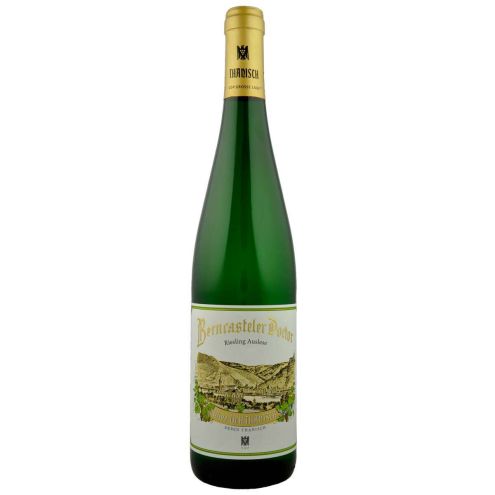
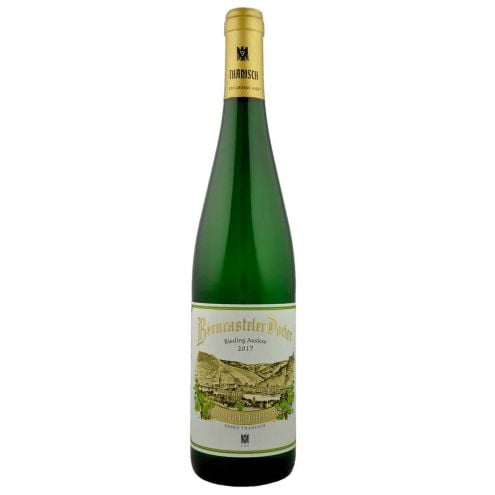
Sweet wines are made by preserving some of the grapes' natural sugars. Winemakers achieve this in several ways, including harvesting very ripe grapes, drying the grapes before pressing, encouraging the growth of noble rot (Botrytis cinerea), freezing grapes on the vine to produce Ice Wine, or stopping fermentation before all the sugar has been converted into alcohol. Each method produces its own distinctive style and flavours.
Is ‘dessert’ wine only for dessert?
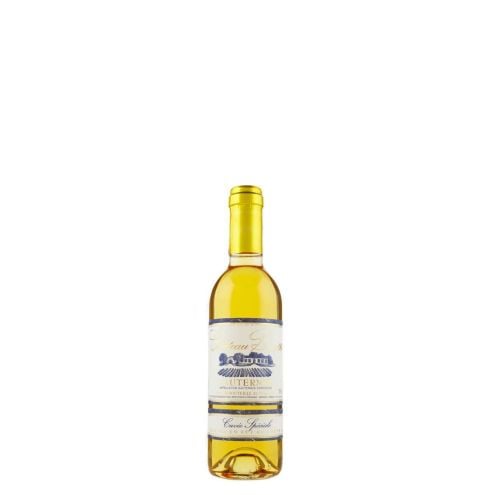
Not at all. Sweet wines are wonderfully versatile. Some of the world's classic wine pairings feature sweet wines served with savoury foods. Blue cheese with Sauternes or Port, and foie gras with sweet white wines, are famous examples. Sweet wines can also complement spicy dishes, where a touch of sweetness helps balance the heat.
How long do sweet wines last after opening?
Sweet wines generally keep longer than dry wines once opened. Thanks to their higher sugar levels, many can stay fresh for several days or even weeks when resealed and stored in the refrigerator. Delicate styles are generally best enjoyed sooner, while richer styles tend to keep for longer.
How long does Port last after opening?
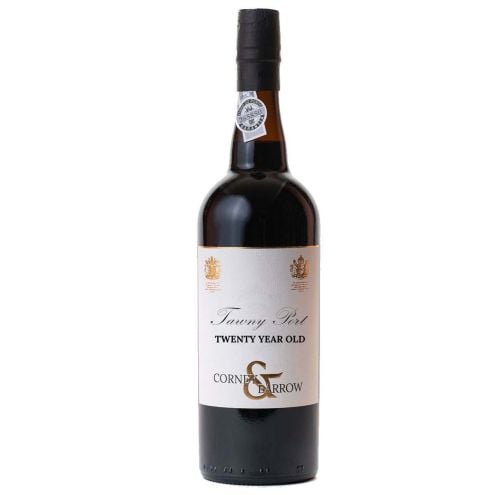
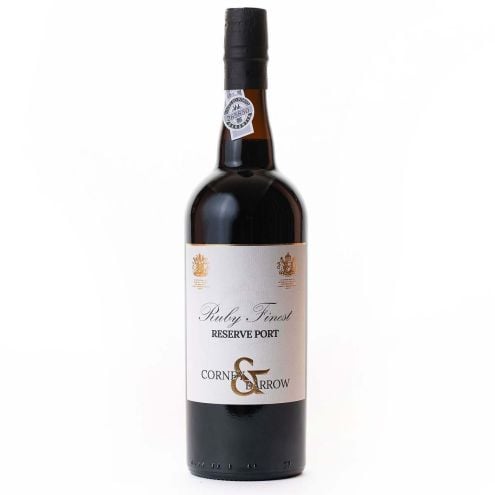
It depends on the style. Ruby Port is generally at its best within a few weeks of opening. Tawny Port, which has already spent years ageing in oak, usually keeps well for a month or more if stored in a cool place with the bottle tightly sealed. Vintage Port is more delicate and is usually best enjoyed within a few days.
Can sweet and fortified wines be aged?
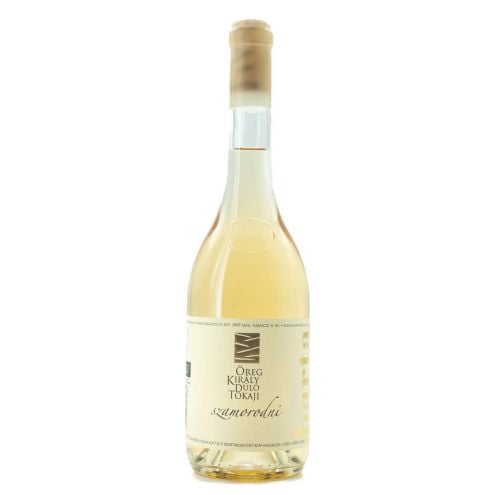
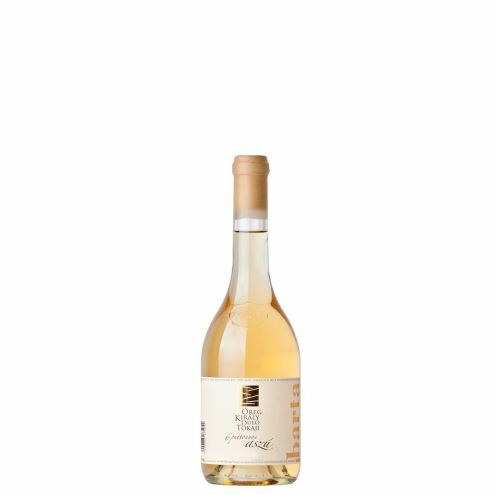
Many can. Some of the world's longest-lived wines fall into this category. Fine sweet wines such as Sauternes, Tokaji and certain Rieslings can develop extraordinary complexity over time. Many fortified wines, including Vintage Port and Madeira, are also capable of ageing for decades. Everyday sweet wines, however, are generally best enjoyed while they're still youthful and fresh.