


SpainWine Region
13%
of the world’s vineyards are in Spain
3rd
largest wine producer in the world
18%
of Spain’s vineyards are farmed organically
Spanish producers
Exclusive Region
Adegas Galegas
Galicia
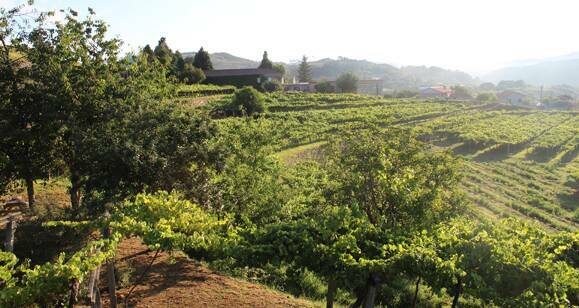
Here in Spain’s far north-western corner, it is a wonder that vines grow at all in the exceptionally damp conditions. Spain’s native Albariño grape however, flourishes here due to its protective, thick skin and can produce wines of great distinction. The D.O. of Rias Baixas (D.O. stands for ‘Designation of Origin’ which designates high quality and geographical regulations) is known to produce some of the very best examples of the Albariño grape variety. It has a distinctive, peachy note and often, a light, refreshing spritz which makes it the perfect partner for the local seafood. The coastal area of Rias Baixas is located in the south of the greater region of Galicia which also boasts a mountainous, rugged inland with quiet country lanes and ancient stone crosses hinting at religious tradition.We find the Adegas Galegas winery surrounded by fragrant pinewood trees, in the most southerly part of the Rias Baixas region close to the Portuguese border and next to the River Miño. ‘Adegas Galegas’ are simply the Galician words for “The Galician Winery”. Despite only being founded in 1995, the winery has succeeded in its quest to combine production of classic, traditional varieties with high quality, modern winemaking techniques. Pepe Rodriguez, who is managing director of the winery, was a pioneer in the evolution of the Galician wine scene. He is known as the father of modern Albariños and was responsible for putting Rias Baixas in the map. This Albariño from Adegas Galegas has won many awards including numerous medals at the Decanter and International Wine Challenge wine awards and the ‘Best Spanish Winery’ accolade at Vinitaly in 2008.
Dominio de Pingus
Ribera del Duero
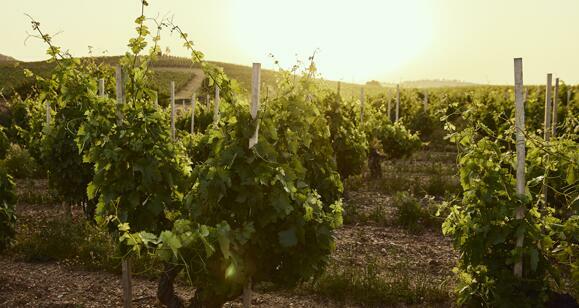
As a boy of around 12, Peter Sisseck visited his uncle Peter Vinding-Diers, who was then making wine in Bordeaux. Returning to school in Denmark, young Peter (nicknamed Pingus) had already, somewhat incongruously, resolved to become a winemaker. The aspirations of youth are largely fleeting, but Peter remained resolute. After stages in Bordeaux and California, he travelled home to study agriculture in Copenhagen, before returning to Uncle Peter, from whom he amassed hugely useful vineyard and cellar experience. In time, becoming a little restive, Peter sought to broaden his horizons and to learn more. Uncle Peter suggested his travelling to Spain to assess a project he knew about in the relatively unknown Ribera del Duero. Unbeknownst to anyone, the die was irreversibly cast. In 1990, Peter was appointed technical director of what was then a rather chaotic association, a young Dane, unable to speak the language, schooled only in the traditional winemaking of Bordeaux. Fortunately he was perhaps shielded from the extent of the challenge by sheer naivety, borne of youth. In fact, Peter was ideally placed to research the Ribera del Duero region. The arid, dramatic beauty of the hard and rugged landscape and the wonderful, indigenous old vines really captured his febrile imagination and earned his uncompromising respect. Peter developed an inner certainty that the area had the potential to produce exceptional wines, and what had been a tiny germ of an idea finally blossomed, bolstered by the discovery of some perfectly situated old vineyards in La Horra. The dream would become a reality in Pingus — the product of these ancient, gnarly, limited-production vines.
Artadi
Rioja
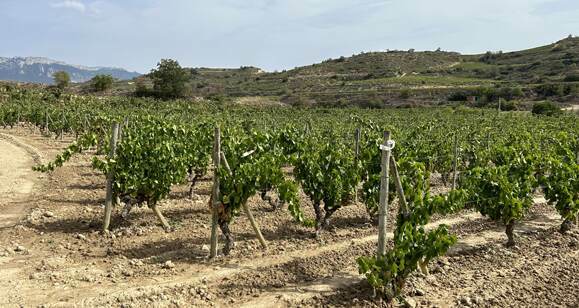
In those days, just one wine was produced, from one vat, using the method of carbonic maceration, as historically practised in Beaujolais. A long way from today’s wines of presence and ageing potential. The social element remains however, long after Juan Carlos López de Lacalle bought out the other cooperative members. Despite appearing to be something of a rebel, at least where the local regulator is concerned, Artadi has great respect for the region’s traditions. By concentrating on the terroir expression of single vineyards, modest volumes and top quality, Juan Carlos López de Lacalle, now working together with his son, Carlos, has created a unique translation of the region’s vast potential. We think we know Rioja – but reserve judgement until you have tasted these astonishing wines. We count ourselves very lucky to have a small allocation for the UK.
Bodegas Zugober
Rioja
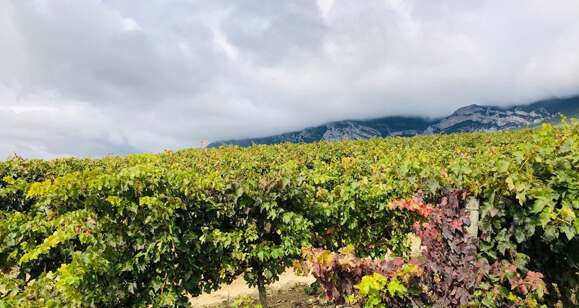
Bodegas Zugober was founded by viticulturist Eduardo Gomez Palma and his winemaker wife Maribel Bernardo. This family has wine in its blood; Eduardo comes from a family of winemakers from Jerez, so he has been involved in winemaking since early childhood while Maribel’s grandparents’ vines inspired her viticulture studies in Bordeaux. They later moved to Rioja, founding Bodegas Zugober. Their son Manuel is now following in their footsteps to take over the business. Located in the village of Lapuebla de Labarca, the winery is right in the heart of the prestigious Rioja Alavesa sub-region – prized for its altitude and chalk-rich soils, imparting elegance and finesse to the wines. The name Zugober is an acronym - each letter corresponding to the surname of all of the family members that have, in one way or another helped create the bodega and its wines.
History
Viticulture in what is now Spain goes back a very long way, with signs that the Phoenicians were already making wine in southern Iberia by the 9th century BC. Under Roman rule viticulture expanded significantly; the Romans regarded parts of Hispania, particularly Baetica (in the south) and Tarraconensis (near Barcelona), as prime wine-producing regions.
After the fall of Rome, viticulture waned under Visigothic rule, as well as during the subsequent Moorish occupation. However, the Reconquista brought with it a revival for Spanish viticulture, with monasteries leading the charge. By the 13th century, almost every settled region in Spain (apart from the extremely mountainous areas of the north) was producing wine.
From the late Middle Ages onward, exports of Spanish wine increased steadily. Fortified styles (especially in the south) helped Spanish wines travel and survive long voyages, and in the 19th century Rioja emerged as a notable power in fine wine, benefiting from France’s wine industry being ravaged by phylloxera. However, Spain was not immune from this vine-attacking louse, and the epidemic hit Spanish viticulture hard a few decades later.
The 20th century brought with it modernisation and a revolution in quality, with winemakers adopting more scientific methods, improved cellar practices, more robust regulations to protect tradition and quality, and a renewed interest in Spain’s indigenous grape varieties.
Geography and Terroir
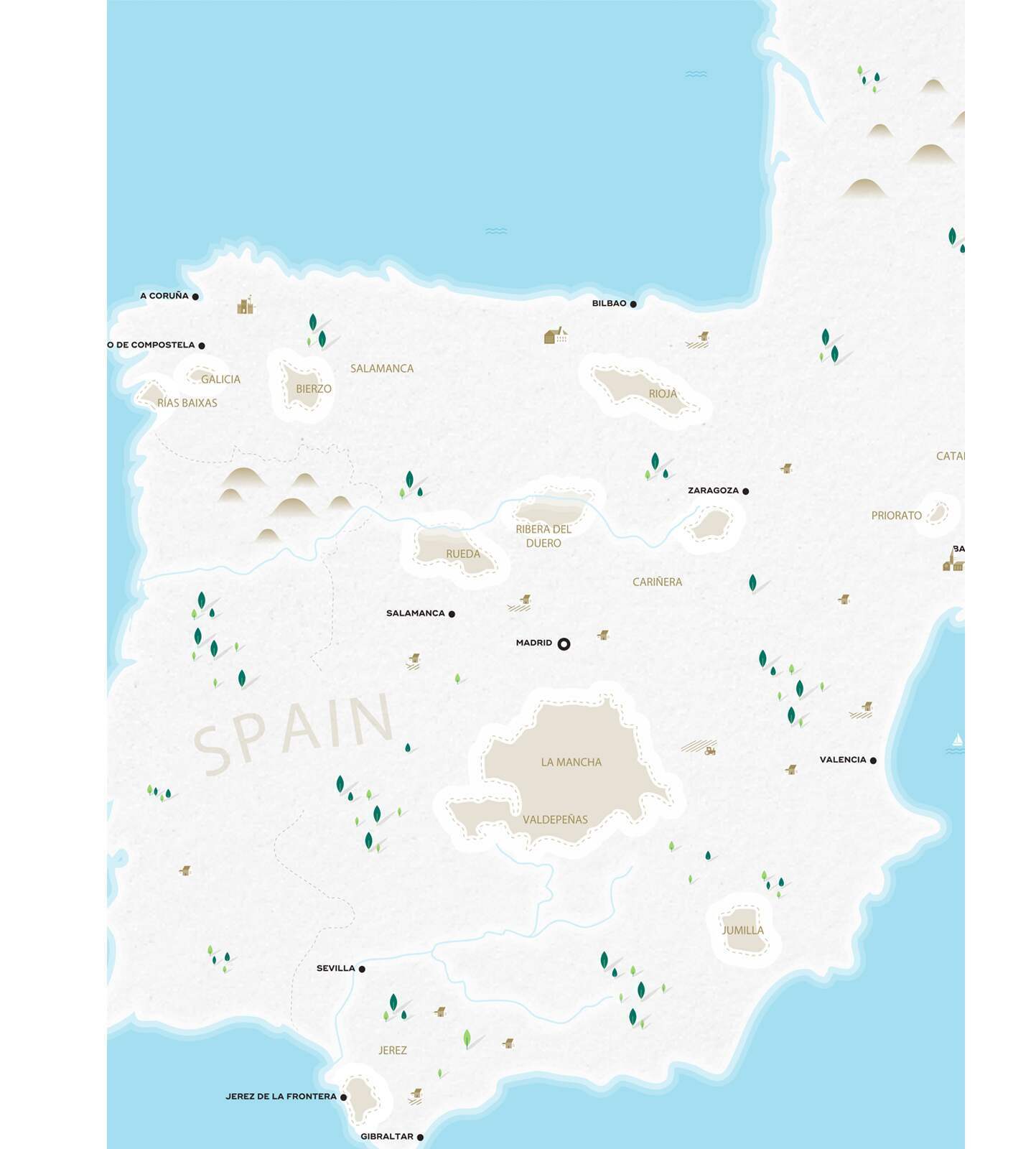
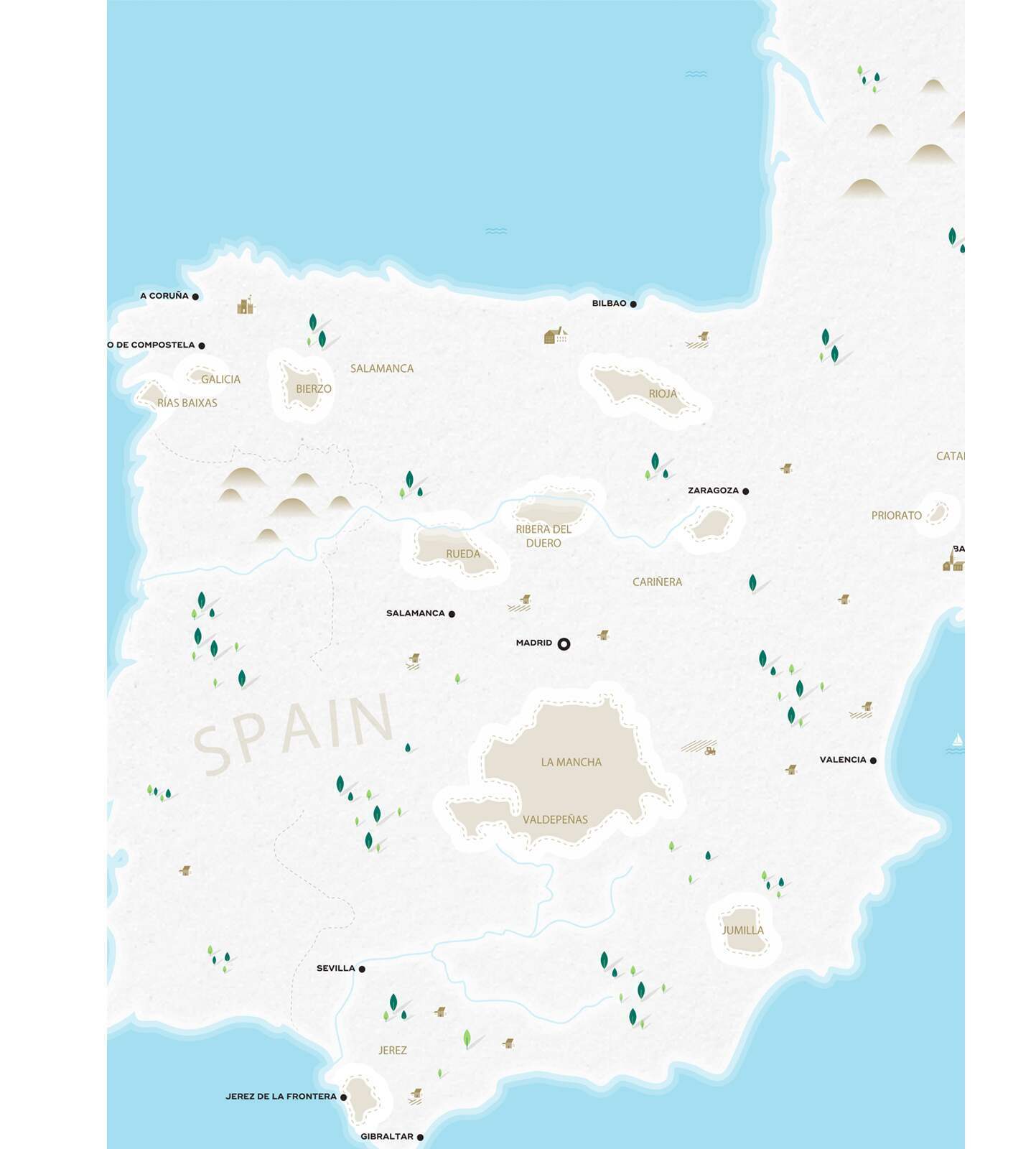
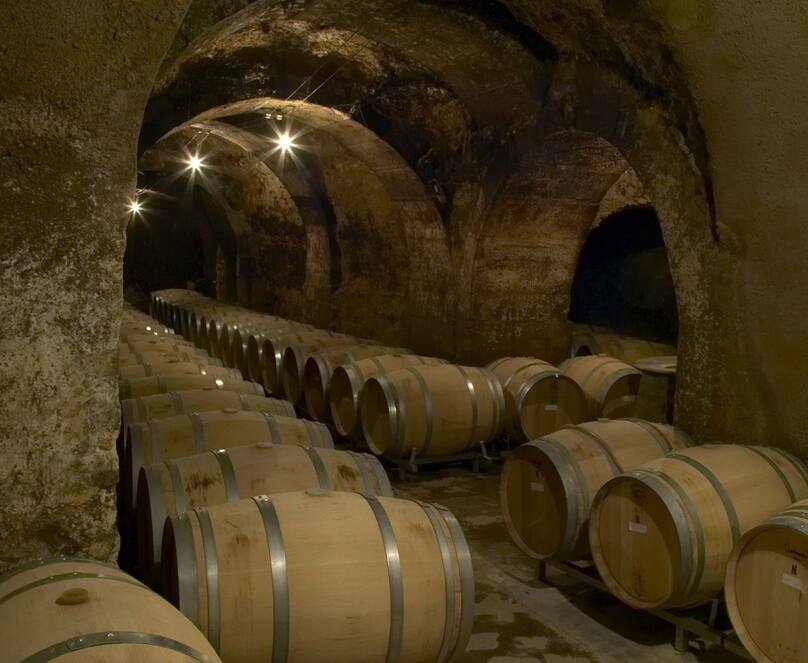
Spain’s diverse geography and climate make it one of the most varied wine-producing countries in the world. The country is home to over a million hectares of vineyards — more than any other nation — spread across plateaus, mountains and coastal plains.
Its central plateau, the Meseta Central, dominates the interior, creating a continental climate with hot, dry summers and cold winters. These extreme conditions, paired with high altitude, encourage slow ripening and help grapes such as Tempranillo and Garnacha retain acidity and depth of flavour.
Meanwhile, along the Atlantic north-west, regions such as Galicia and Rías Baixas benefit from a cooler, wetter maritime climate, ideal for fresh, aromatic whites such as Albariño. To the south, the Mediterranean coast enjoys warm, sunny conditions moderated by sea breezes, producing ripe yet balanced reds, and sparkling wines such as Cava.
Spain’s mosaic of climates, altitudes and soils underpins the remarkable diversity of its wines, from crisp Atlantic whites to rich Mediterranean reds.
Grapes
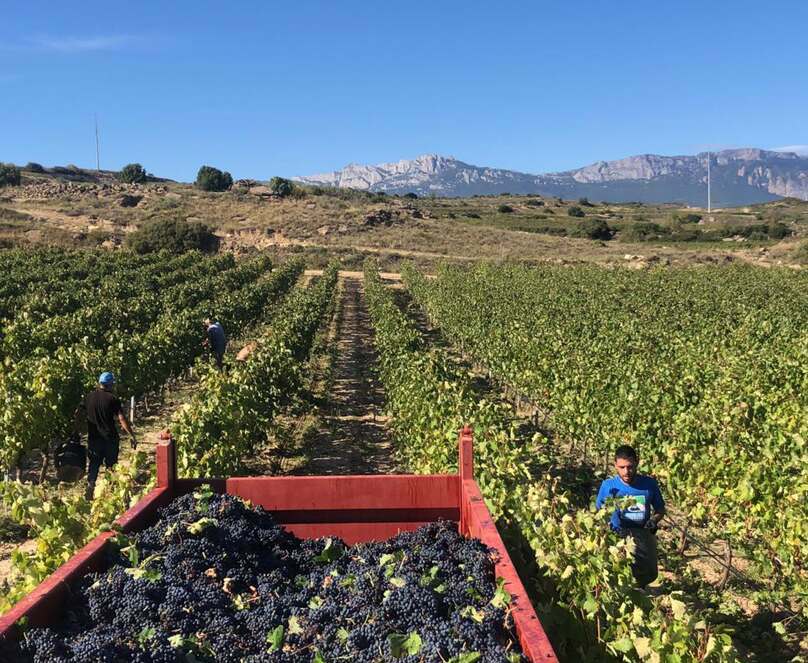
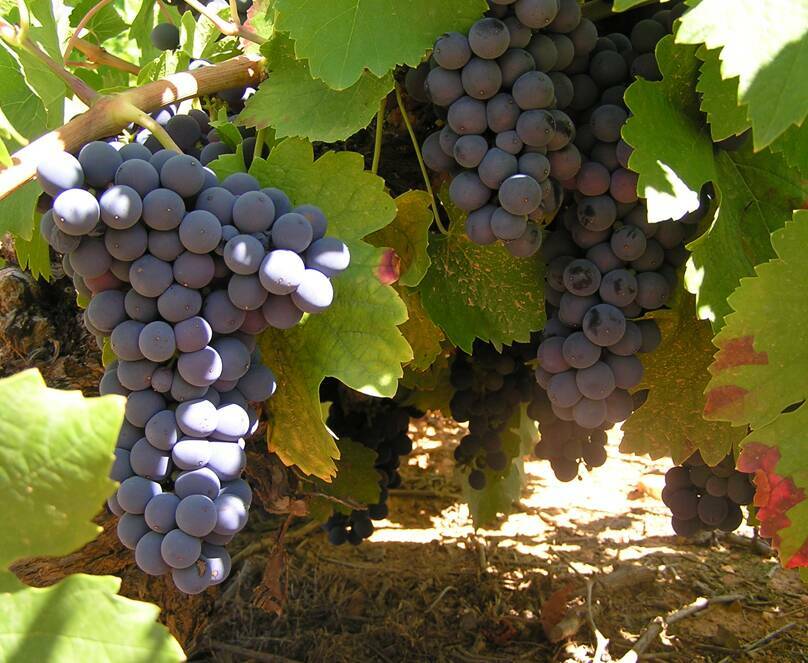
Spain is home to an extraordinary wealth of native grape varieties. While international grapes like Cabernet Sauvignon, Merlot and Chardonnay thrive here, its point of difference lies in its indigenous varieties, many of which date back centuries. With nearly 600 indigenous grape varieties, Spain’s viticultural diversity is among the greatest in the world, although only a fraction are widely cultivated today.
Tempranillo, the nation’s signature red variety, produces elegant, structured wines in regions such as Rioja, Ribera del Duero, and Toro, adapting uniquely to each area’s soils and climate. Garnacha (also know as Grenache) delivers fruit-driven wines in Priorat and Navarra, while Monastrell (Mourvèdre) flourishes in the sun-baked southeast, yielding bold reds. Lesser-known reds like Mencía and Bobal are gaining recognition for their freshness and authenticity.
Spain’s whites are equally distinctive. Albariño from Rías Baixas offers crisp, saline wines, influenced by proximity to the Atlantic, while Verdejo from Rueda provides zesty, aromatic expressions. In Penedès, Macabeo (Viura), Xarel-lo, and Parellada form the backbone of Cava, Spain’s celebrated sparkling wine. Palomino and Pedro Ximénez, meanwhile, are used to make the famous fortified wines of Jerez.
Our Spanish selection
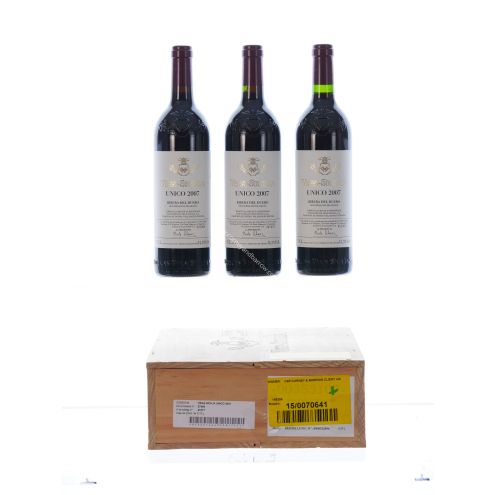
Vega Sicilia Unico 2007
Spain Castilla Y Leon Vega Sicilia
Vega Sicilia Unico 2007
- GRAPE Tempranillo blend
- ABV 13.0%
-
DRINK NOW
LAY DOWN
2020 - 2035
Flor de Pingus Dominio de Pingus 2019
Spain Castilla Y Leon Dominio de Pingus
Flor de Pingus Dominio de Pingus 2019
- GRAPE Tempranillo
- ABV 14.5%
- CLOSURE Cork
-
DRINK NOW
LAY DOWN
2024 - 2034
Exclusive
Corney & Barrow

Vega Sicilia Unico Reserva Especial NV
Spain Castilla Y Leon Vega Sicilia
Vega Sicilia Unico Reserva Especial NV
- GRAPE Tempranillo blend
- ABV 13.0%
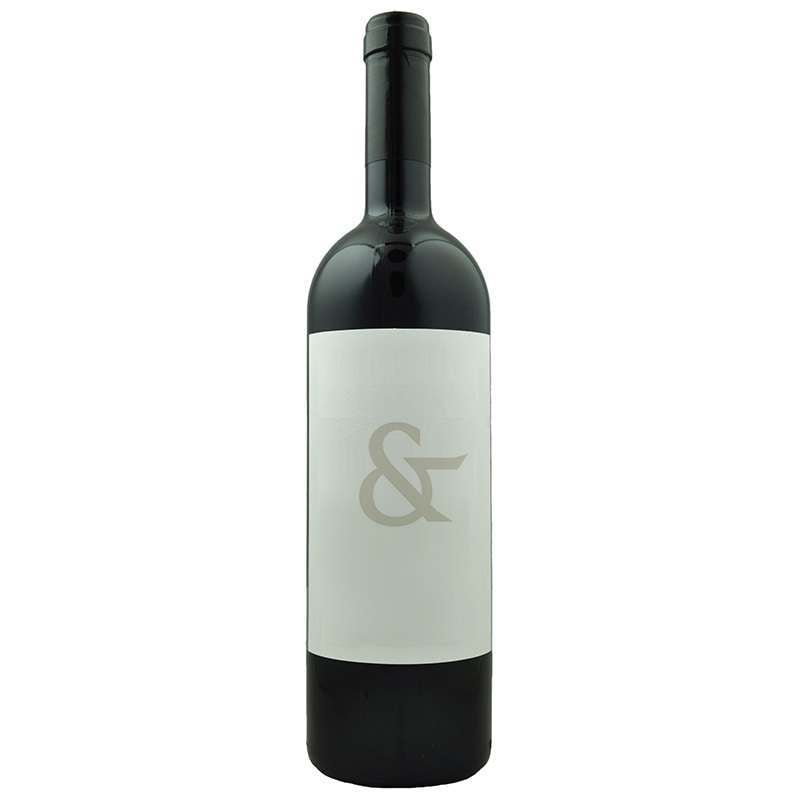
Pingus Dominio de Pingus 2016
Spain Castilla Y Leon Dominio de Pingus
Pingus Dominio de Pingus 2016
- GRAPE Tempranillo
- ABV 14.5%
- CLOSURE Cork
-
DRINK NOW
LAY DOWN
2023 - 2035
Exclusive
Corney & Barrow