












Rosé FAQs
Are rosé wines food-friendly?
Yes! There is no doubt that rosé is an excellent apéritif, and in fact sipping on a cool, refreshing rosé on a hot day is one of summer’s greatest pleasures. However, it is very versatile and pairs well with a wide range of dishes. Lighter, drier styles complement classic summer staples such as seafood, salads, and light pasta dishes, while fuller-bodied rosés can hold their own served alongside grilled meats and fish — the perfect accompaniment for a barbecue.
Is a rosé’s colour indicative of its quality?
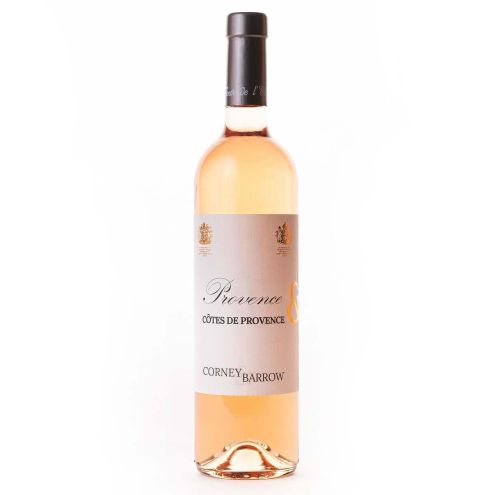
While there is a common perception that the paler the rosé, the better the quality, this is certainly not the case. It is likely that this misconception is a result of the recent popularity of the delicately hued Provence rosé, and possibly the reduced interest in deeper-coloured rosés such as White Zinfandel. There are excellent examples across every shade of rosé, so don’t be afraid to explore.
At what temperature should rosé be served?
Rosé should be served chilled, and once open, should be kept in an ice bucket or put back into the fridge. The ideal serving temperature range is between 7 and 13°C, with paler, dry rosé best served at the lower end of this range, and richer, fuller-bodied rosé at the warmer end.
Can rosé be aged?
Rosé doesn’t tend to spring to mind when you think about wines suitable for ageing, as the style normally lends itself to immediate consumption. However, an increase in demand for rosé has led to some producers experimenting with ageing their rosés in oak barrels to add complexity. That said, the vast majority of rosé is intended to be drunk young.
Which countries produce the most rosé?
Perhaps unsurprisingly, France is the world’s biggest producer of rosé (and also the biggest consumer!). It leads the next biggest producers — Italy, USA and Spain — by quite some margin.