

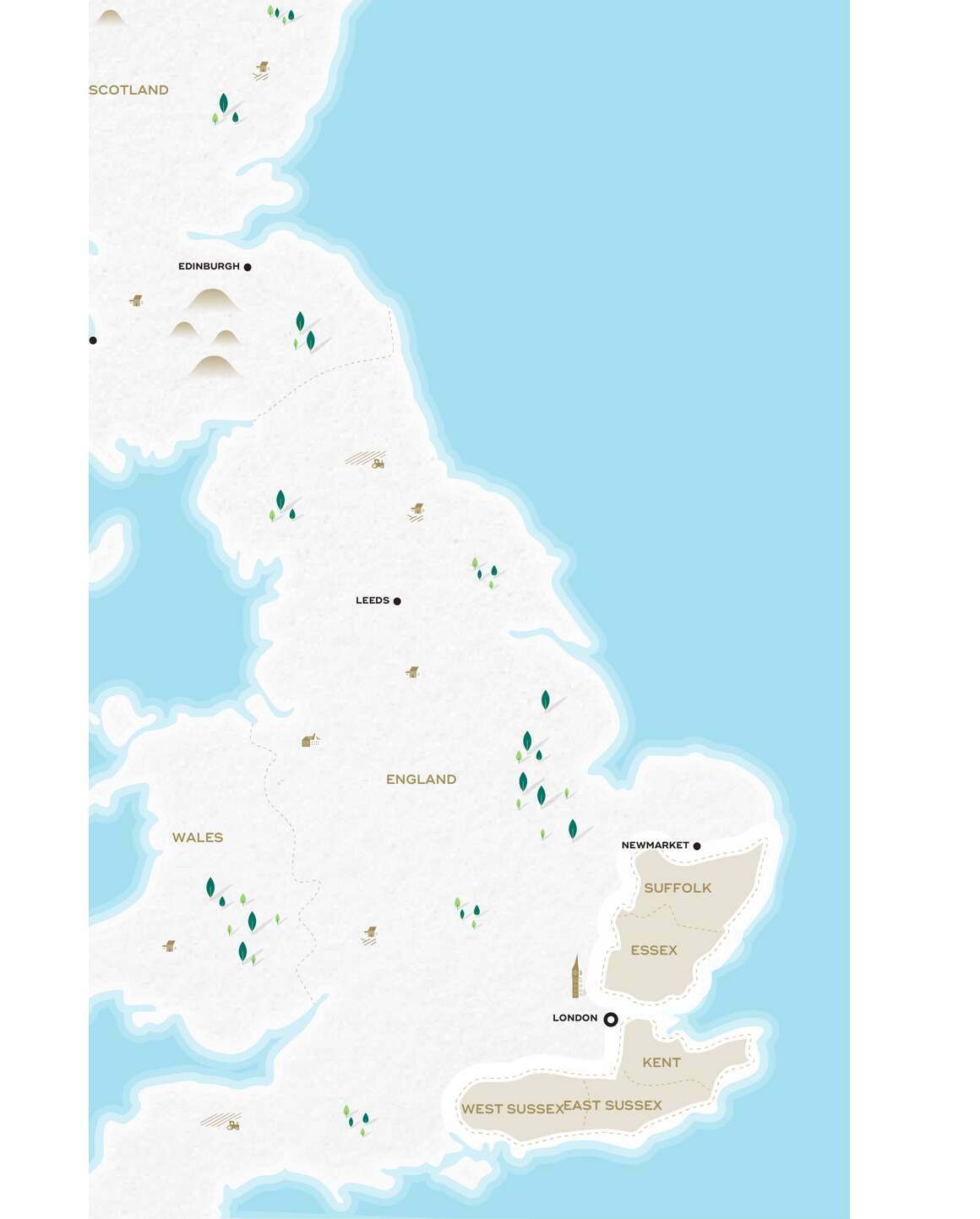
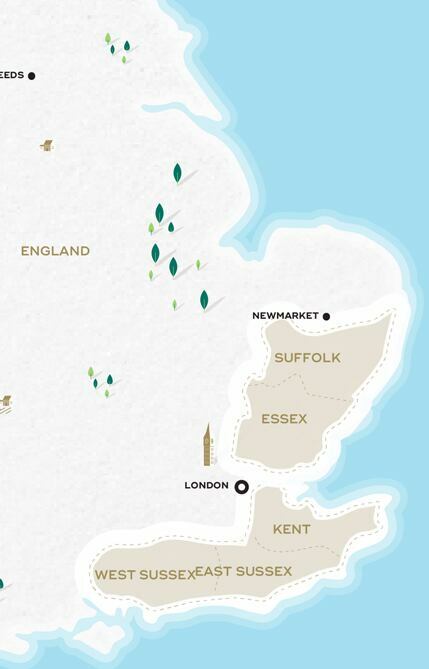
English wineRegions
70%
Of all plantings are Chardonnay, Pinot Noir and Pinot Meunier
£503m
The value of wine exported from the UK in 2023
1952
The year England’s first commercial vineyard opened
English Wine Producers
Exclusive Region

Higham Vineyard
Suffolk
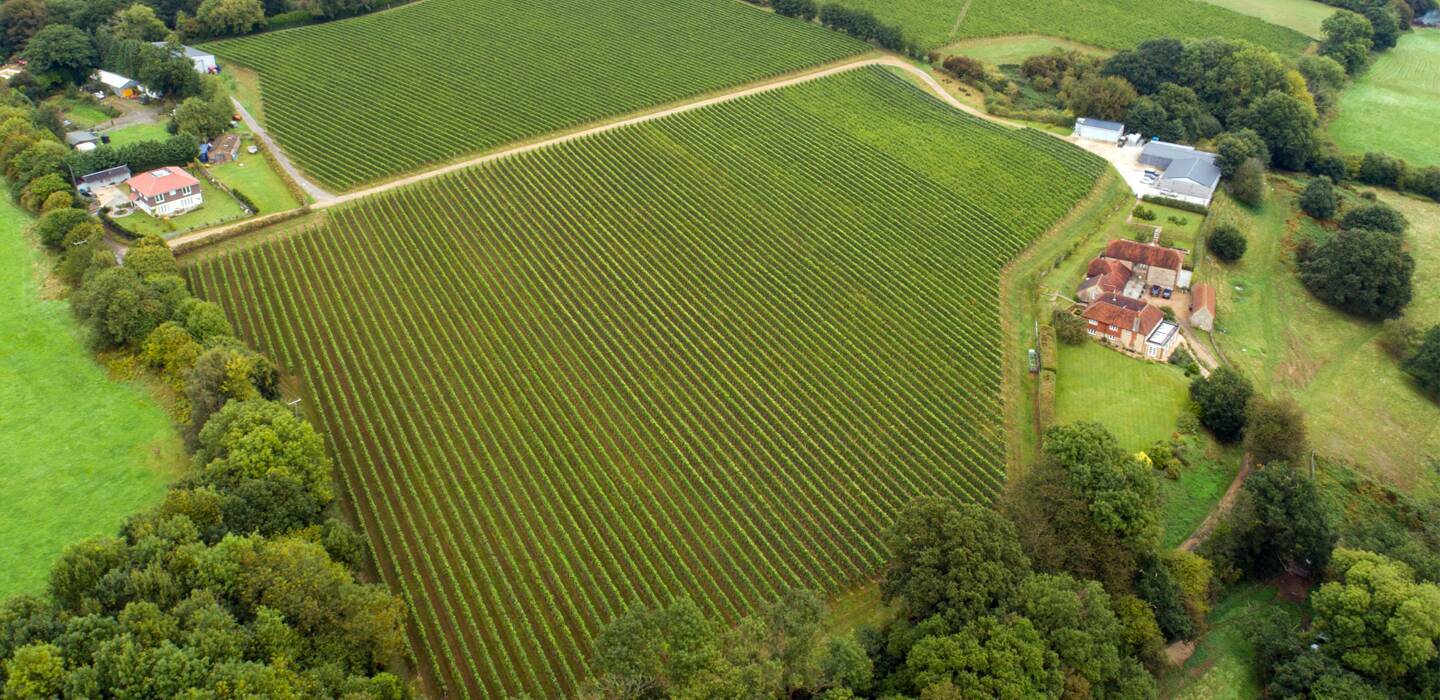
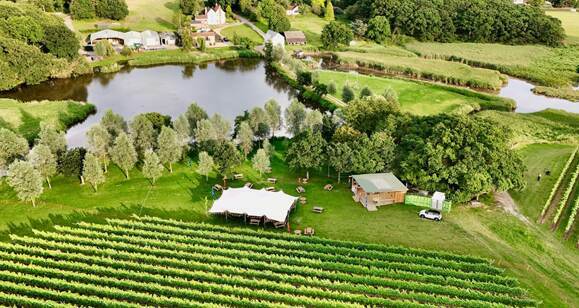
The Stour River meanders through quiet quintessentially English countryside forming the border between Suffolk and Essex before it eventually meets the North Sea. Along the north side of this valley lies Higham Vineyard, an exciting new venture. This typically English vineyard sprung into life when David Alston and his family decided to plant an acre or two of vines on the edge of some arable land they had just bought in the Stour Valley. This land had laid fallow for over half a century and the small holding was known locally as `Stoney Croft’ owing to the soil rich in flint and stone…a good omen for the wines to come.
Thorrington Mill
Essex
The Stour River meanders through quiet quintessentially English countryside forming the border between Suffolk and Essex before it eventually meets the North Sea. Along the north side of this valley lies Higham Vineyard, an exciting new venture. This typically English vineyard sprung into life when David Alston and his family decided to plant an acre or two of vines on the edge of some arable land they had just bought in the Stour Valley. This land had laid fallow for over half a century and the small holding was known locally as `Stoney Croft’ owing to the soil rich in flint and stone…a good omen for the wines to come.

Breaky Bottom
East Sussex
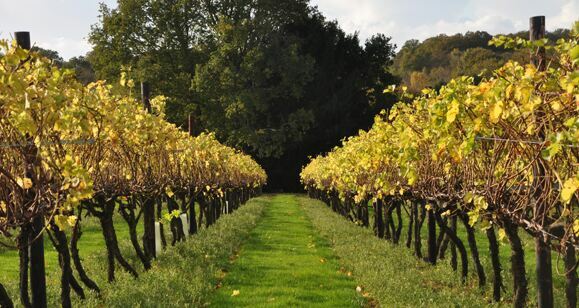
Breaky Bottom is a local name – the word Bottom denotes a dry chalk valley - and historical – Breaky Bottom was mentioned in the Domesday book. Peter Hall discovered Breaky Bottom in the early 1970s and saw in its climate and chalk-rich soils – similar to Champagne and the Loire Valley – the potential to produce high quality wines. At this time, there was an increasing trend for clean, fresh, cool-climate wines, and plant nurseries were developing early-ripening grape varieties to produce these styles. As a result, Peter planted Seyval Blanc and small amounts of other hybrid grapes. While he originally produced still wines, he turned increasingly to sparkling wines over time. At the turn of the century, he also took the decision to plant the champagne varieties, particularly Chardonnay, with smaller amounts of Pinot Noir and Pinot Meunier. The estate produces traditional method (méthode champenoise) sparkling wines of exceptional quality and character, thanks to its unique terroir, kid-glove vineyard husbandry and careful winemaking with extended ageing on the lees and cork, a crucial part of the process. All wines made are of a single vintage, and each year Peter makes just two cuvées, which are then aged in bottle for at least four years. The style of each cuvée will vary according to the harvest, and just a few hundred cases are made of each. Each year will yield approximately 10,000 bottles in total, though as Peter points out, in some years the entire crop has been lost to floods or pheasants, and of course viticulture in a marginal climate such as the UK is challenging.
Ambriel
West Sussex
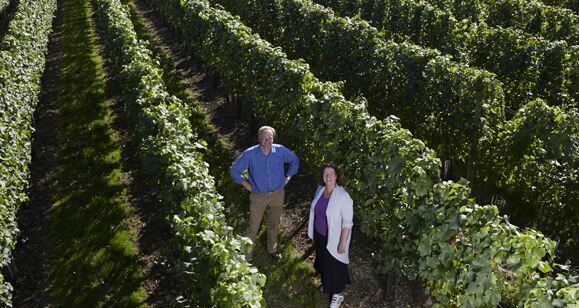
Charles and Wendy Outhwaites’ first careers were unconventional training for winemaking. Nevertheless their attention to detail, curiosity, capacity for hard graft and dogged pursuit of excellence have served them well. Unlike some, both Charles and Wendy are hands on and hands in. As self-confessed control freaks they take charge of every aspect from grape to glass. Wendy grows the grapes, Charles ferments them. Blending – somewhat appropriately – is done together. They sip and slurp their way to stunning Sparkling Wines.
English Wine History
Climate
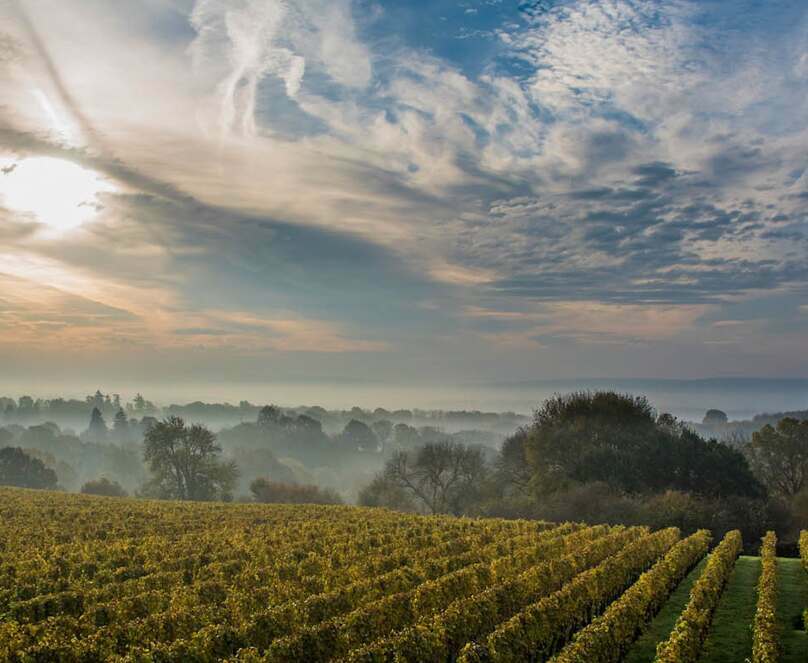
Terroirs
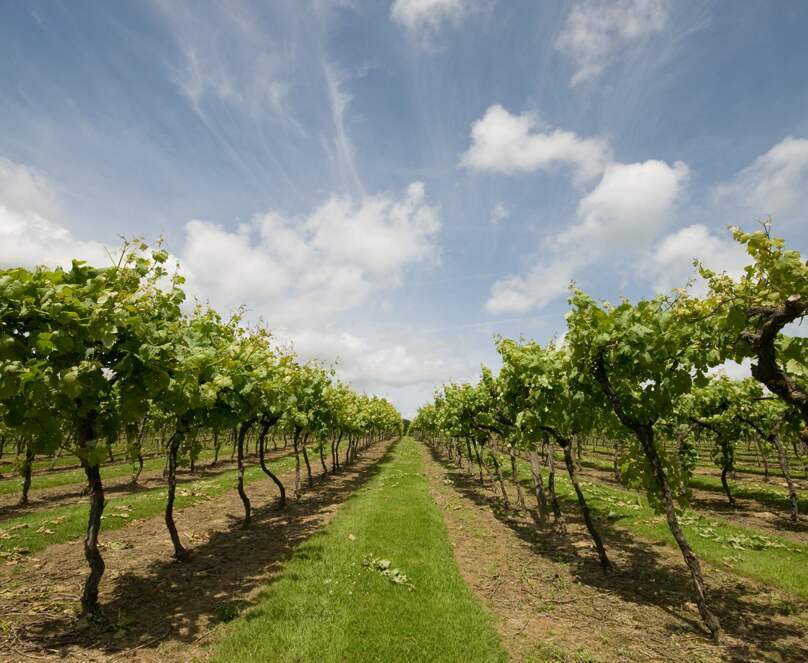
Grape Varieties in England
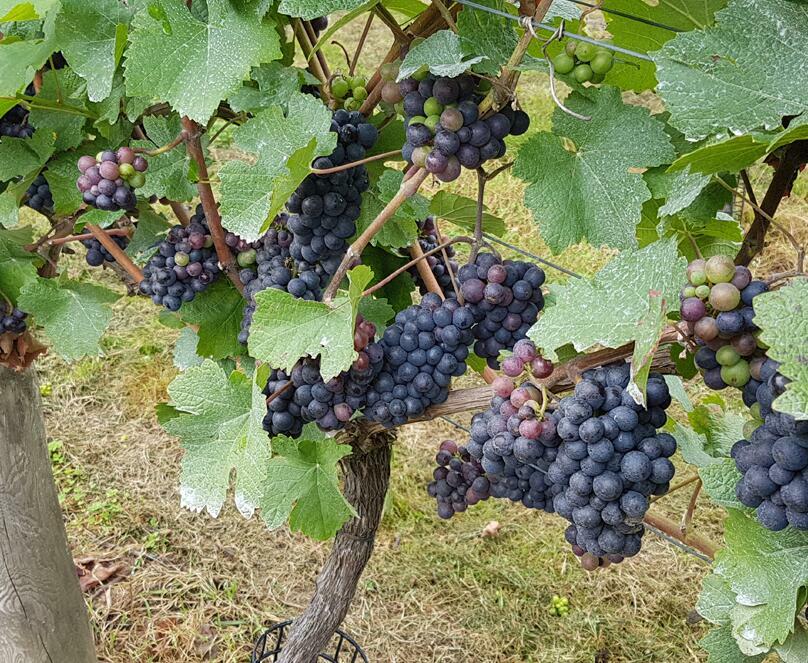
Our English wine selection
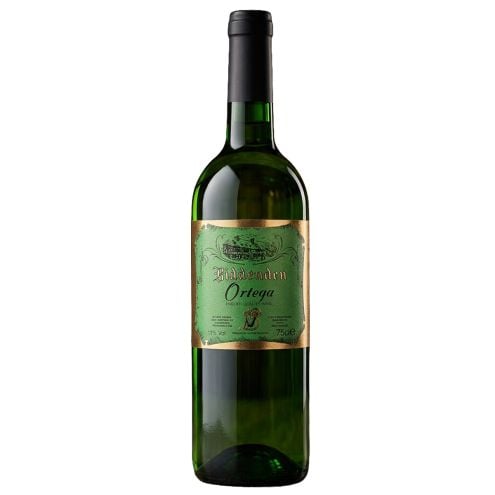
Ortega Biddenden Vineyards 2023
Great Britain England Biddenden Vineyards
Ortega Biddenden Vineyards 2023
- GRAPE Ortega
- ABV 12.0%
- CLOSURE Cork
-
DRINK NOW
2025 - 2026
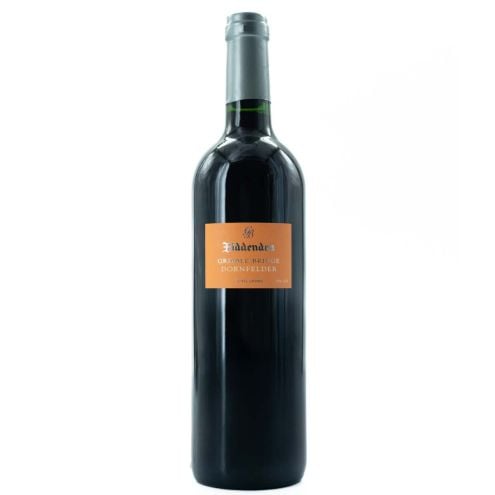
Gribble Bridge Dornfelder Biddenden Vineyards 2023 2024
Great Britain England Biddenden Vineyards
Gribble Bridge Dornfelder Biddenden Vineyards 2023 2024
- GRAPE Dornfelder
- ABV 12.0%
- CLOSURE Cork
-
DRINK NOW
2026 - 2027
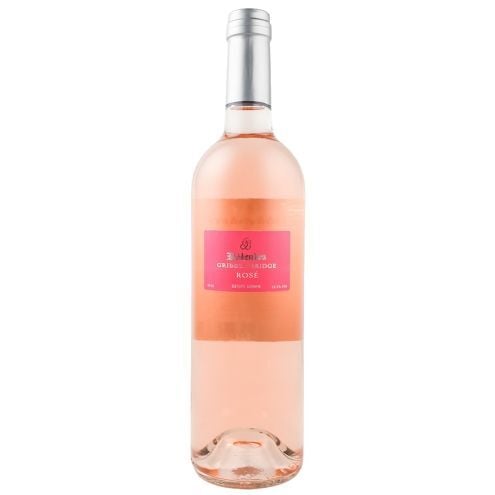
Gribble Bridge Rose Biddenden Vineyards 2024
Great Britain England Biddenden Vineyards
Gribble Bridge Rose Biddenden Vineyards 2024
- GRAPE Ortega/Dornfelder/Pinot Noir
- ABV 11.5%
- CLOSURE Cork
-
DRINK NOW
LAY DOWN
2025 - 2028
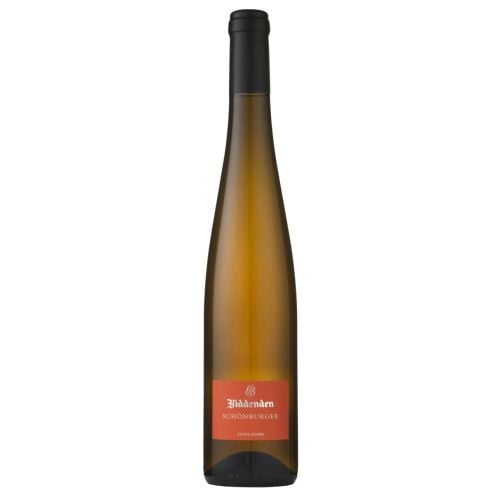
Schonburger Biddenden Vineyards 2025 50cl
Great Britain England Biddenden Vineyards
Schonburger Biddenden Vineyards 2025 50cl
- GRAPE Schonburger
- ABV 9.0%
- CLOSURE Cork
-
DRINK NOW
LAY DOWN
2026 - 2029