




Champagne & Sparkling FAQs
What's the difference between Champagne and sparkling wine?
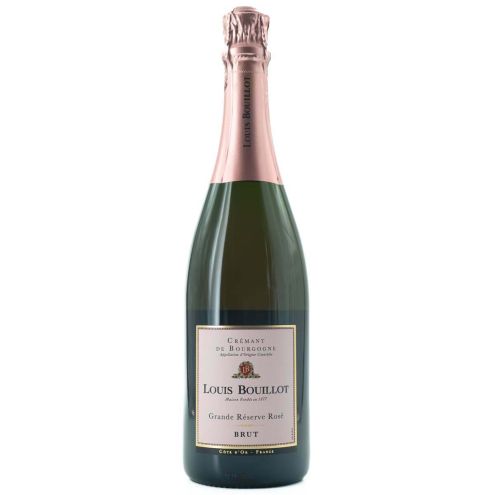
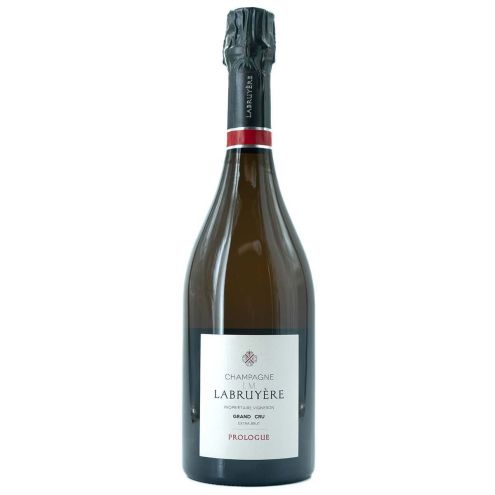
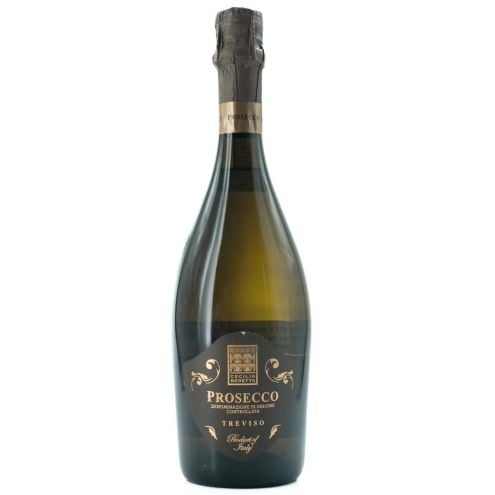
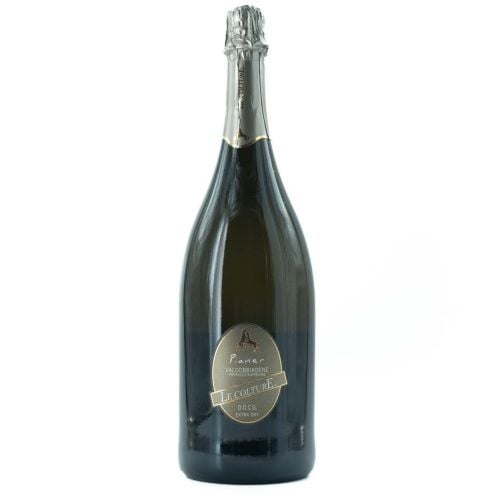
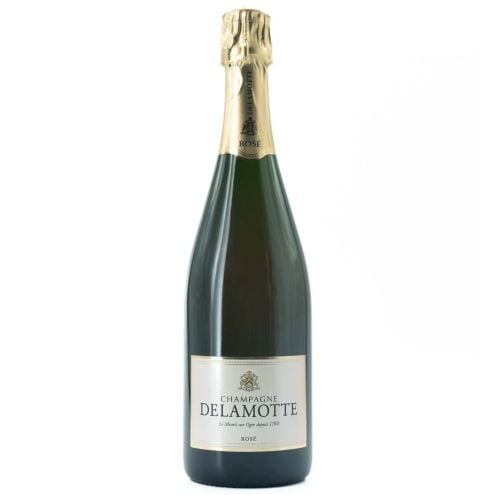
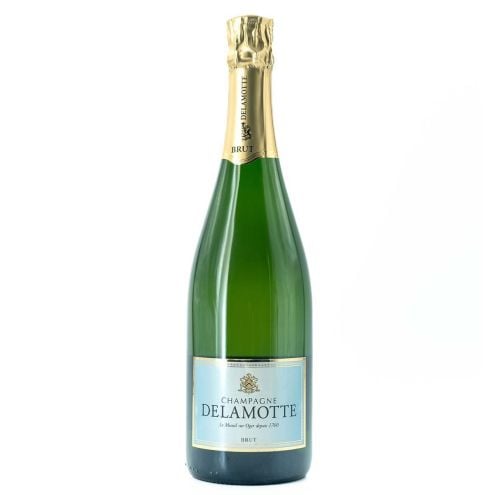
All Champagne is sparkling wine, but not all sparkling wine is Champagne. To be called Champagne, the wine must be made in France’s Champagne region using traditional production methods and adhering to strict regulations. Sparkling wines made elsewhere may use the same techniques but must be labelled according to their own region or style, such as Crémant, Blanquette, Pét Nat, Prosecco, Cava or English Sparkling Wine.
What do Brut, Extra Dry and Demi-Sec mean?
These terms indicate the sweetness of the wine. Brut is the most common style and is typically dry. Despite its name, Extra Dry is slightly sweeter than Brut, while Demi-Sec contains a noticeably higher sugar level and is often served with desserts.
Why are some sparkling wines more expensive than others?
Much of the price reflects how the wine is made. Traditional-method sparkling wines take longer to make because they undergo a second fermentation in the bottle and are aged for months or even years before release. Vineyard location, ageing time, grape quality and producer reputation also influence the price.
Can sparkling wine be paired with food?
Absolutely. Sparkling wine is one of the most food-friendly wine styles. Its crisp acidity and lively bubbles make it an excellent match for seafood, sushi, fried foods, poultry, creamy cheeses and many appetisers. Sweeter styles also pair beautifully with fruit-based desserts.
Why does sparkling wine have bubbles?
Sparkling wine gets its bubbles from carbon dioxide produced during a second fermentation. In Champagne and other traditional-method wines, this fermentation takes place inside the bottle. In styles such as Prosecco, it usually occurs in a pressurised tank before bottling.
What's the difference between vintage and non-vintage Champagne?
Non-vintage Champagne is made by blending wines from multiple harvests to create a consistent house style. Vintage Champagne is produced using grapes from a single exceptional harvest and is generally released after longer ageing, often resulting in greater complexity and ageing potential.
What's the best glass for sparkling wine?
While flutes are excellent at preserving bubbles, many wine professionals prefer tulip-shaped glasses. Their wider bowl allows the wine's aromas to develop while still maintaining its lively sparkle, giving you the best of both worlds.