

GermanWine
13
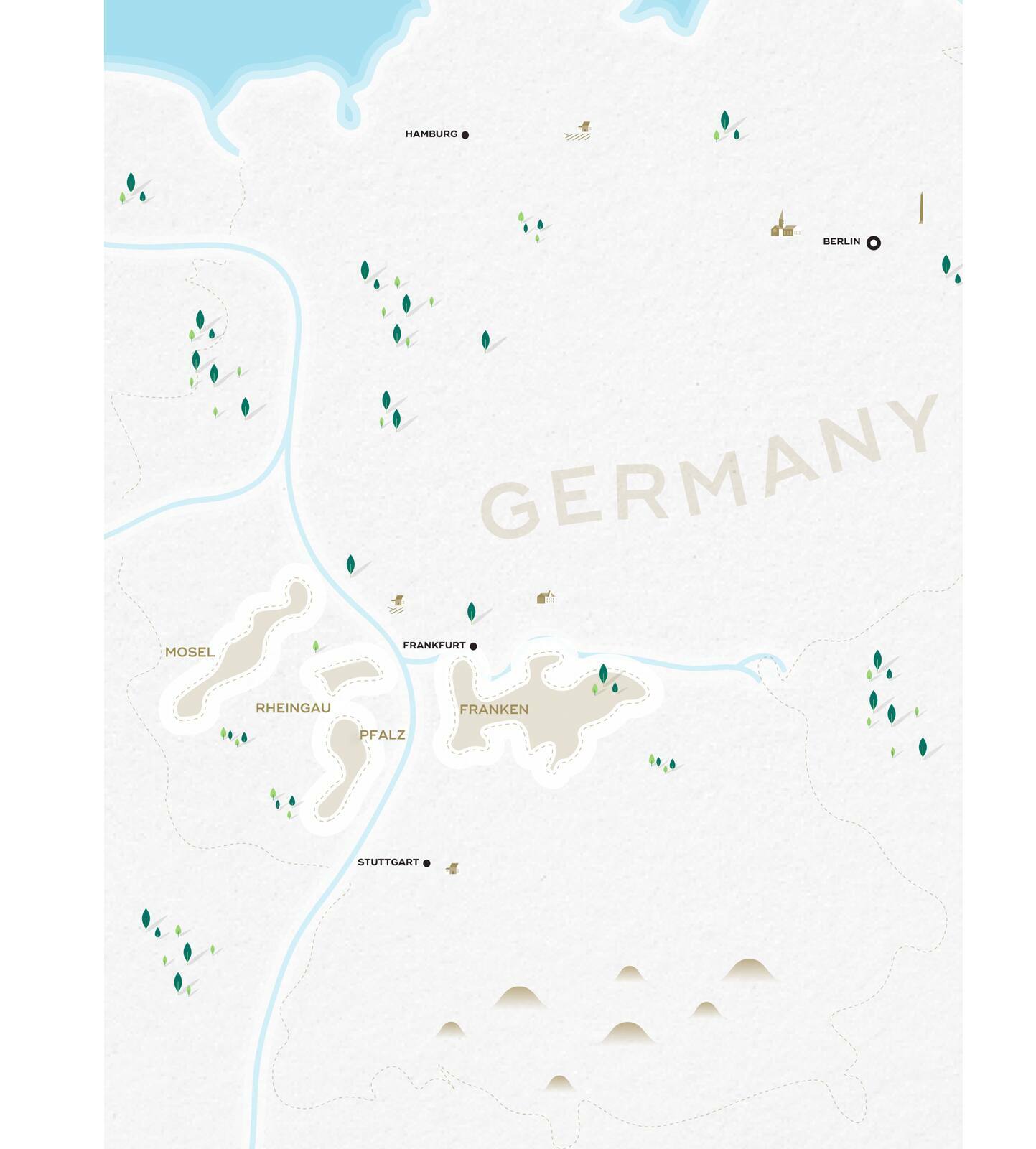
Wine regions across Germany
40%
Of the world’s Riesling comes from Germany (approximately)
9th
Largest producer of wine in the world (in 2023)
German producers

Exclusive Region
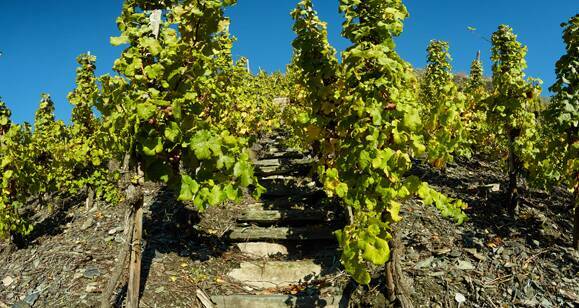
Weingut Wwe. Dr. H Thanisch
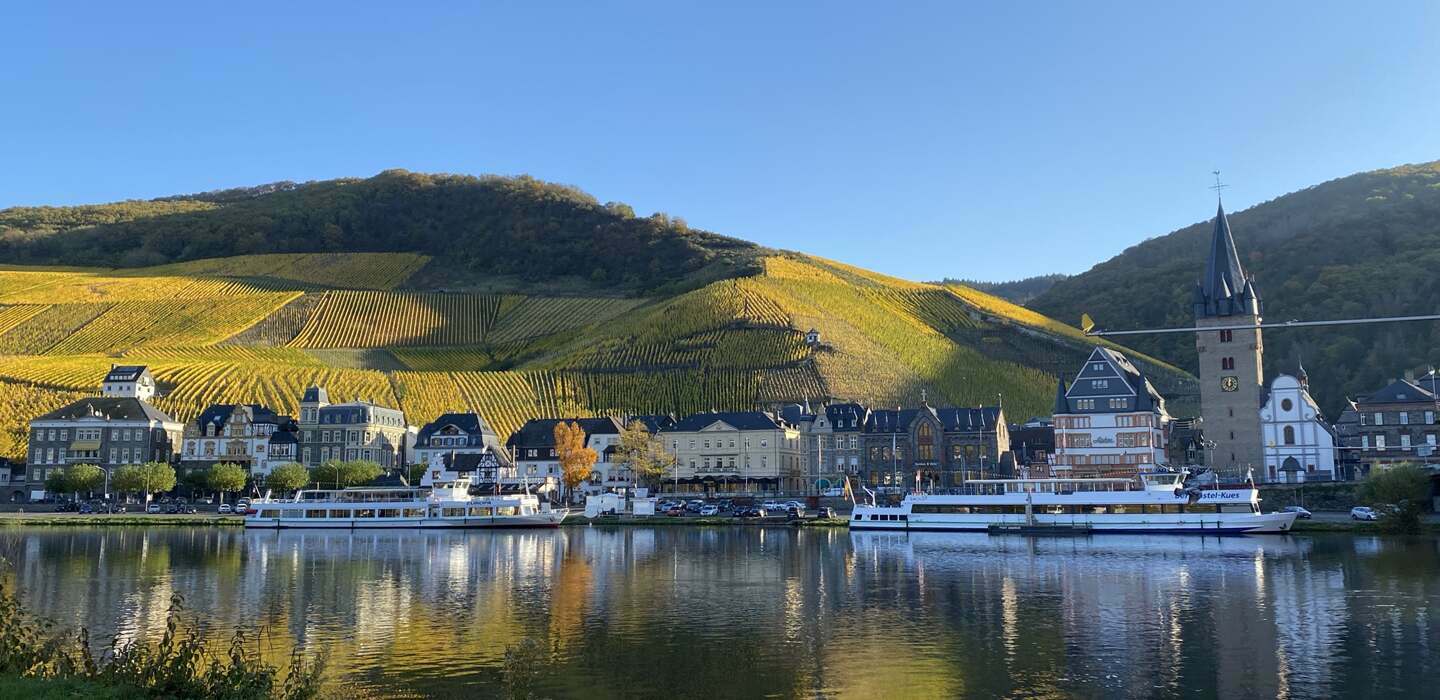
Mosel
Founded in 1636 amidst the turbulence of the Thirty Years War and the subsequent aftermath of the French Revolution, the history of this estate is nothing short of extraordinary. Over the following two centuries, its reputation grew steadily until, by the end of the nineteenth century, Dr Hugo Thanisch’s wines attained the highest auction prices in the region. The grand neo-Renaissance house is perched on the riverfront and faces the city of Bernkastel on the opposite bank. It was built in 1884 by Dr Hugo, great-grandfather to Sofia Thanisch. Following Dr Hugo’s early death aged 42, his widow Katharina took over. This is where the prefix ‘Wwe’ comes from, short for witwe or widow, as in Weingut Wwe. Dr. H. Thanisch. Katharina was only 29 at the time, with three young children. She went on to become a founding member of Germany’s VDP wine association. Sofia Thanisch and her daughter Christina represent the 11th and 12th generations of the family. Following international wine business studies at Geisenheim University and periods in Austria and New Zealand, Christina now works alongside her mother. Sofia and Christina are also the fourth and fifth women, respectively, to manage the estate, Sofia having taken over from her aunt Mechtilde in 1996.
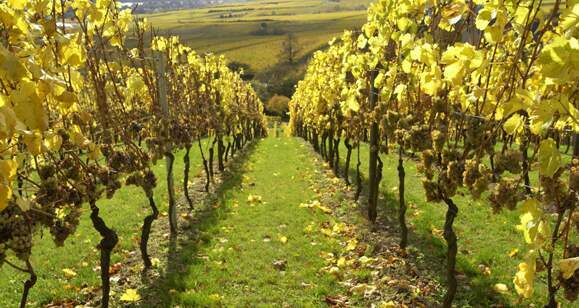
Schloss Schönborn
Rheingau
The family philosophy is pursuit of quality – indeed they were founder members of the Verband Deutscher Prädikats – und Qualitätsweingüter – VDP – the Association of German Quality Wine Estates. Schloss Schönborn now encompasses 50 hectares of vineyards, throughout the Rheingau, of which 91% is planted with Riesling. Average yields are kept low, resulting in wines with good concentration and real personality. People are often dismissive of German wines, regarding them as sweet. They do indeed have a certain residual sugar but this is ripeness, always balanced by fresh acidity. There is no point in denying that the current marketing path of German wines is rather beset by potholes, despite our impassioned affaire de Coeur in past generations. When Paul Graf Von Schönborn assumed the mantle of this great succession, after the death of his father in 1998, it was indubitably a challenge, yet one to which the estate has risen. The wines of Schloss Schonbörn are extraordinarily versatile, offering diverse flavour profiles, from citrus and green apple through to the exotic; ideal for the world today, so open to the marriage of food and wine.
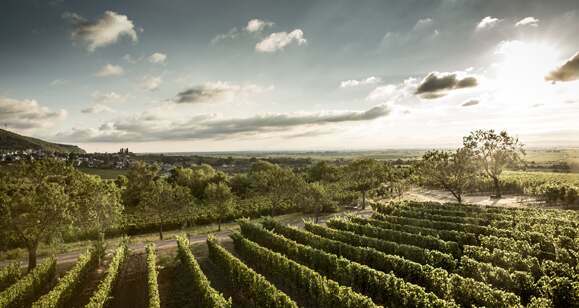
Weingut A. Christmann
Rheinpfalz
The Christmann’s extended family has cultivated vines in the Pfalz region since the 16th century. It wasn’t until 1798, however, that Georg Köhler, aged just 23, seized an opportunity to purchase the vineyards his family and ancestors had long been farming. In 1845, his only granddaughter and heir to the estate married into a nearby winemaking family. As a result, their properties were joined and created the foundation of the estate as we know it today. The more recent history is one of grandfather, father and daughter. Steffen has managed the family estate since 1996 and is a trained winemaker, former lawyer and current president of the VDP (Verband Deutscher Prädikatsweingüter) — an organization dedicated to developing quality standards for German wines. Sophie joined her father’s side in 2018 as his apprentice and right hand after obtaining a degree in viticulture and oenology from Geisenheim University. She worked across the Pfalz, Nahe and Baden in Germany, along with studying in Bordeaux and Australia — worldly experiences that she now applies to Weingut Christmann. She is now involved in all aspects of the estate, but it is fair to say she has a particular focus on Spätburgunder (Pinot Noir). Steffen and Sophie’s common goal is to traditionally produce wines that taste of Christmann and their origins in the Palatinate.
German Wine History

Geography
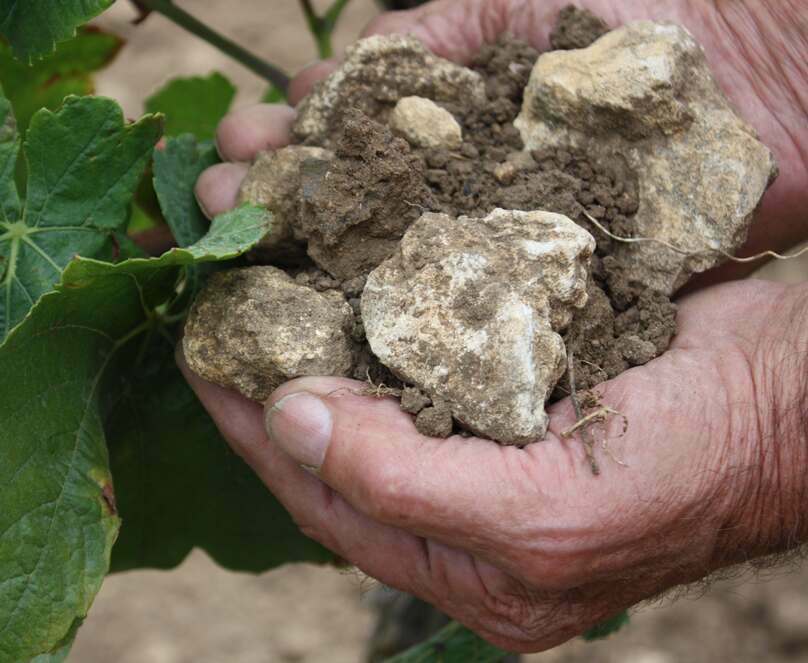
Terroir/Soils
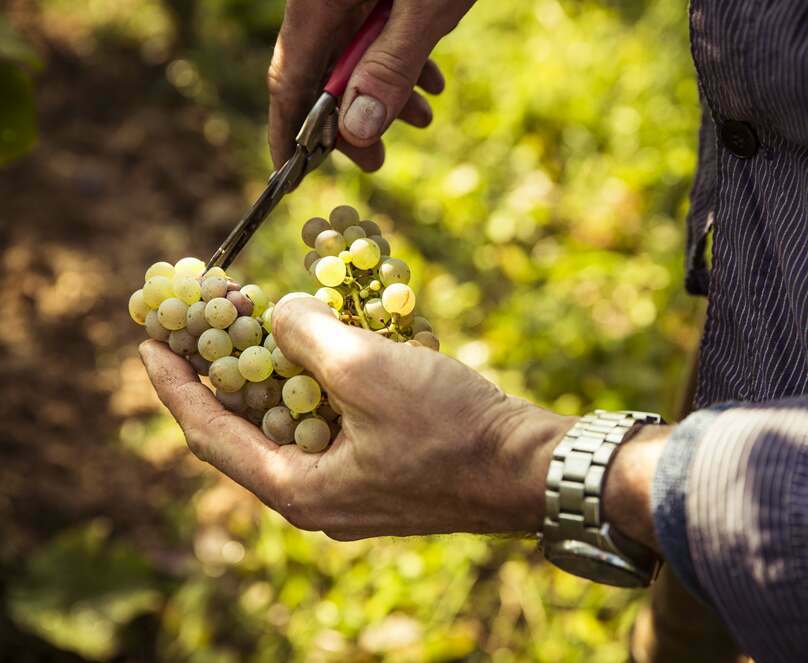
Grapes
Our German selection
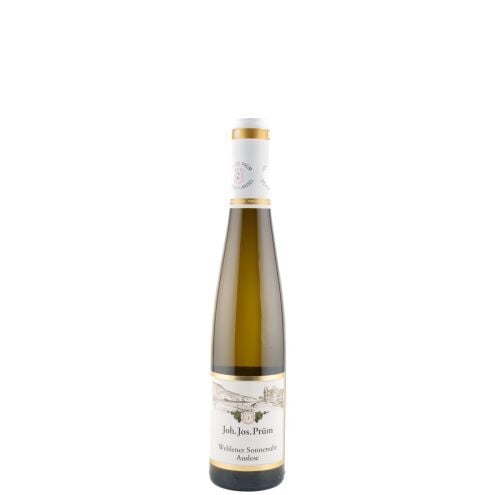
Thanisch Estate Riesling Kabinett Weingut Dr H Thanisch (Thanisch) 2024
Germany Mosel Dr H Thanisch (Erben Thanisch)
Thanisch Estate Riesling Kabinett Weingut Dr H Thanisch (Thanisch) 2024
- GRAPE Riesling
- ABV 9.5%
- CLOSURE SCREWC
-
DRINK NOW
LAY DOWN
2026 - 2029
Exclusive
Corney & Barrow
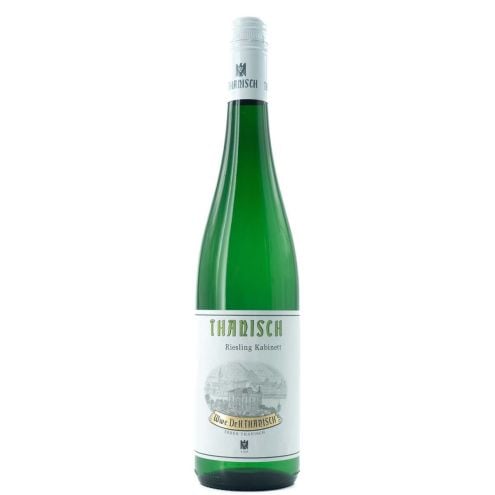
Wehlener Sonnenuhr Riesling Auslese Joh Jos Prum 2023 Halves
Germany Mosel Prum (Joh Jos)
Wehlener Sonnenuhr Riesling Auslese Joh Jos Prum 2023 Halves
- GRAPE Riesling
- ABV 8.0%
- CLOSURE Cork
- LAY DOWN 2032 - 2050
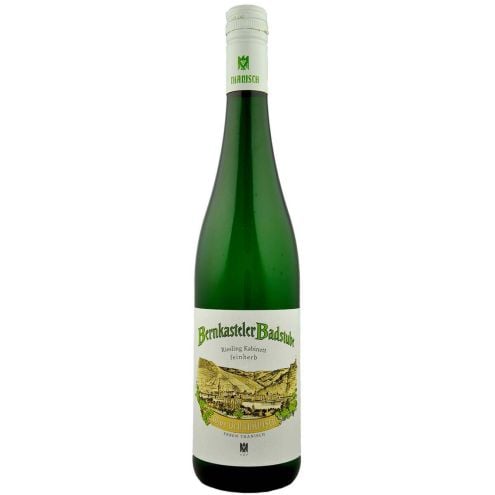
Bernkasteler Badstube Riesling Kabinett Feinherb Dr H Thanisch (Thanisch) 2023
Germany Mosel Dr H Thanisch (Erben Thanisch)
Bernkasteler Badstube Riesling Kabinett Feinherb Dr H Thanisch (Thanisch) 2023
- GRAPE Riesling
- ABV 10.5%
- CLOSURE SCREWC
-
DRINK NOW
LAY DOWN
2025 - 2033
Exclusive
Corney & Barrow
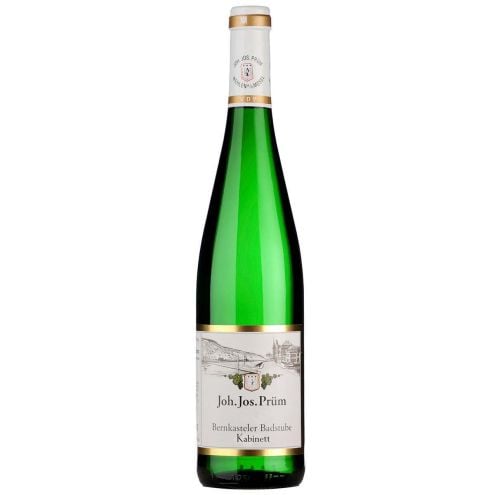
Bernkasteler Badstube Riesling Kabinett Joh Jos Prum 2023
Germany Mosel Prum (Joh Jos)
Bernkasteler Badstube Riesling Kabinett Joh Jos Prum 2023
- GRAPE Riesling
- ABV 9.0%
- CLOSURE Cork
- LAY DOWN 2027 - 2031