Château Trotanoy is, indisputably, one of Bordeaux’ finest estates. It is situated on the western edge of the central and highest of the Pomerol slopes, only a few hundred yards to the west of Pétrus. Trotanoy has often been referred to as the half brother of Pétrus particularly in its renewed form. In recent years, Trotanoy has sidled alongside Pétrus, very much the young pretender, offering impressive depth and intensity. Extensive replanting was deemed necessary at Trotanoy in the seventies and eighties, with young vines leading to a lightening in style which confounded critics.
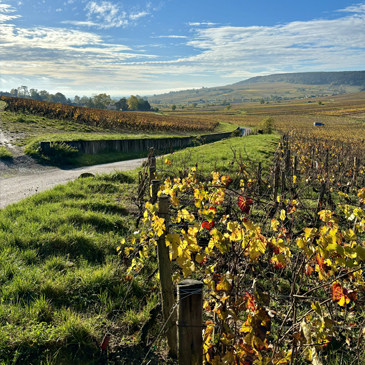
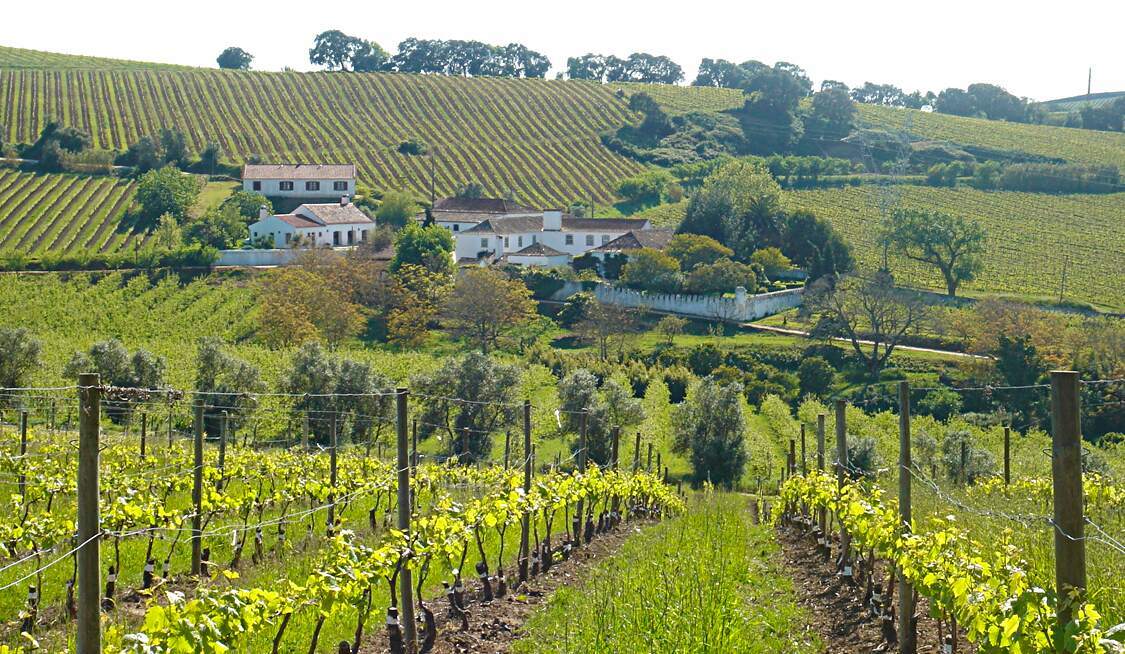
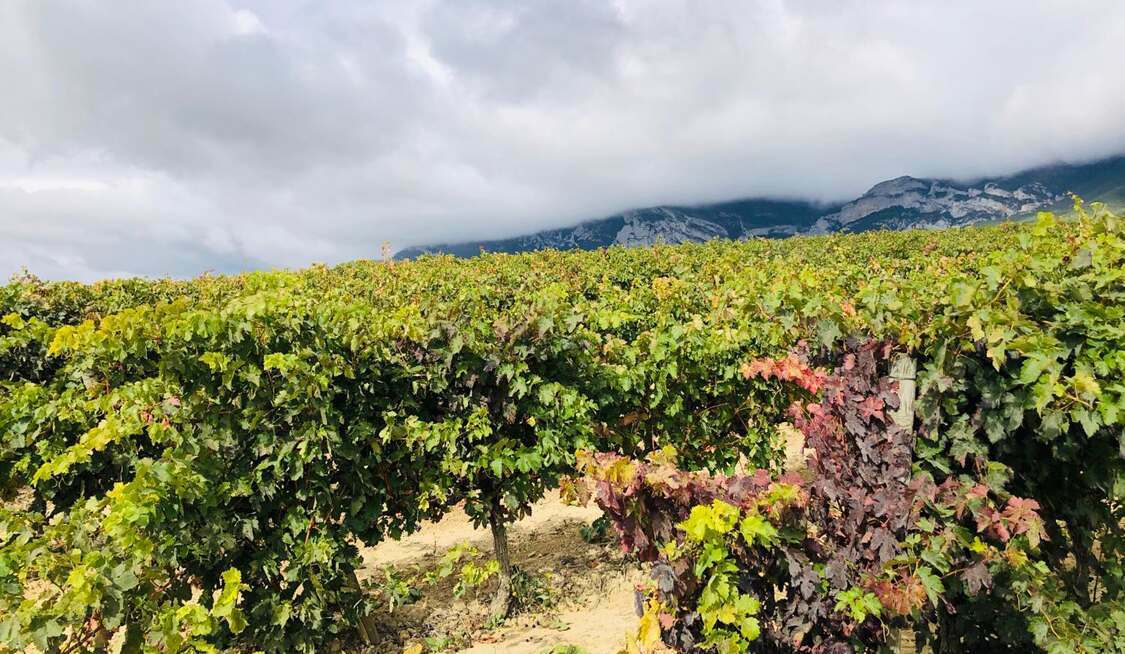
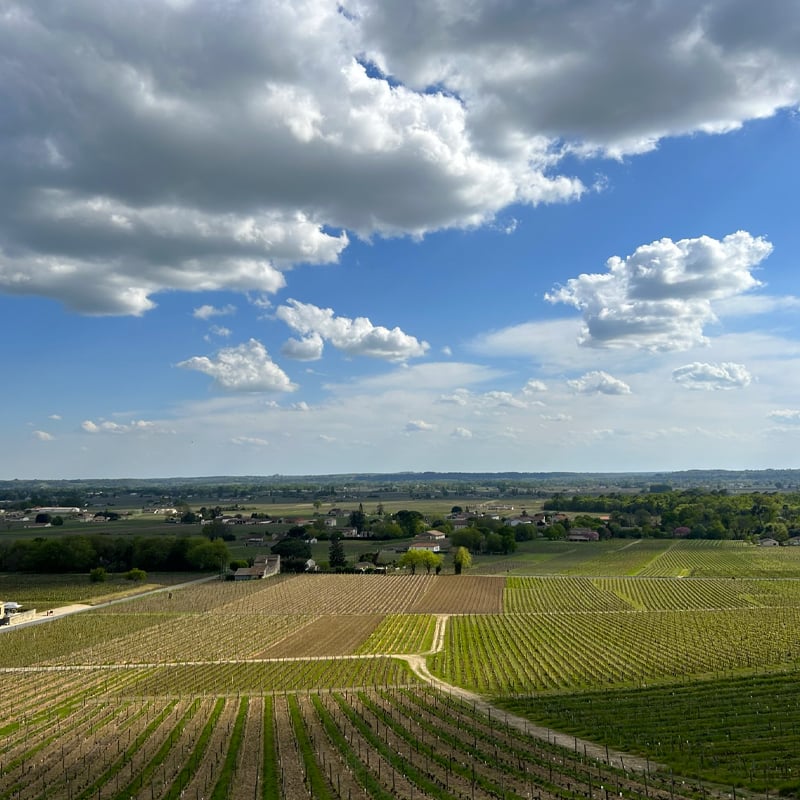
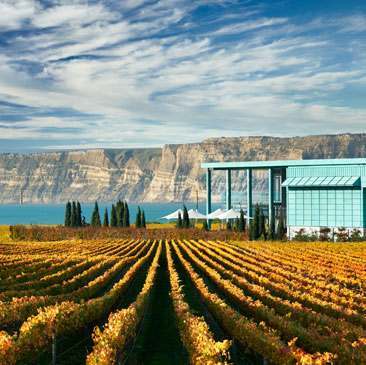
Trotanoy covers just over seven hectares, planted on a high plateau approximately 1km west of Pétrus, between the church and the village of Catusseau. The estate enjoys one of the best-exposed parts of the Pomerol plateau and, as a result, it avoided the devastation caused by the dreadful 1956 frosts. The vines are 90% Merlot and 10% Cabernet Franc, planted with a density of 6,200 vines per hectare. Although the vines survived the 1956 trauma, extensive replanting was made in the seventies and eighties. Today the average age is back to a very respectable 35 years, with yields generally around 39hl/ha.
Château Trotanoy – the cellar
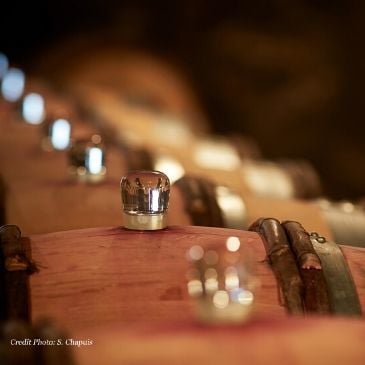
For 44 years, ending with the 2007 vintage, Jean-Claude Berrouet has overseen production of all the Moueix wines, including Trotanoy. His philosophy has always been one of minimum intervention, to allow the wines to express their individual terroir, always pursuing elegance over extraction. There is a twenty day fermentation and maceration in temperature-controlled lined concrete vats. This is followed by twenty months' ageing in barrel, 40% of which are new. The vines are fined with egg whites and there is no filtration. The average production is a scant 3,000 cases per year.
Château Trotanoy – the wine
Trotanoy produces incredible wines with an extraordinarily rare balance between obvious power and concentration and sheer finesse. Often monolithic and almost impenetrable in youth, their muscle evolves towards more obvious opulence and grace in time. Energy and tension prevail throughout the ageing process making for impressive elegance and intensity with time, gradually revealing a characteristic, appetising truffled character.
Château Trotanoy – the history
Trotanoy already had an established reputation for quality towards the end of the 18th century as Pomerol-Giraud, Cru de Trotanoy. This, along with a number of other properties styled themselves as premiers crus. They had, however, little impact on the merchants on the Left Bank and this was reflected in the prices the wines fetched. The Bordeaux reference tome, Cocks and Ferret, first attempted a classification in their 1868 edition (we currently have the 17th edition, published in 2004). Trotanoy is listed there, alongside many of the top Pomerol properties recognised today, second only to Pétrus.
Trotanoy was, at that time, by far the largest of the top names, comprising some twenty-five hectares. Production, in today’s terms, was between 4,000 and 6,000 cases. At the end of the nineteenth century, as is so often the case, the estate had to be broken up to settle inheritance issues and even more land was sold in the 1920s.
The property remained with the Giraud family until the end of World War II when it was sold to a Monsieur Pécresse who subsequently sold it to Jean-Pierre Moueix in 1953. This was the first vineyard Jean-Pierre Moueix purchased and so has a special place in the hearts of his successors. All efforts were made to restore the property to its rightful place in terms of quality and reputation. From the outset the then oenologist Jean-Claude Berrouet and cellarmaster François Veyssière looked after the vinification, as they did at Pétrus. Etablissements Jean-Pierre Moueix now manage the property, under the stewardship of the late Jean-Pierre Moueix’s son, Christian.
Etablissements Jean-Pierre Moueix
The rise of Etablissements Jean-Pierre Moueix is a dramatic success story, founded on the vision and energy of one man, Jean-Pierre Moueix. The Moueix family originated in the Corrèze, a region near the Dordogne where, essentially, Jean-Pierre’s parents subsisted as farmers. In 1929, the Great Depression forced a change and the family moved to Libourne, where they bought Fonroque Grand Cru Classé for what would today be considered a song – there being no consumer interest at that time. Jean-Pierre Moueix, one of two sons, was something of an outsider to the establishment when he set up his business. Not only was he new to Bordeaux but this was Right Bank Bordeaux, offering far from fashionable wines. These were barely recognised by the Bordeaux merchants and the traditional markets and, logistically, were also much further from a port. Jean-Pierre recognised the need to create new markets, which he attacked with gusto, particularly in the Low Countries. These continue be a Moueix stronghold. He also addressed the quality issue. At that time, négociants simply visited a farmer, tasted and, if they bought, they blended and bottled under their own label. Jean-Pierre Moueix realised that the best way to differentiate his wines, in quality terms, would be to own the property or, at least, have a hand in the vineyard and cellar management. Thus began an a series of acquisitions and the forging of long term relationships with properties with which J-P Moueix have worked for decades.