

Peter Sisseck
Wine Region
Ribera del Duero, Spain
Vineyard
35 hectares
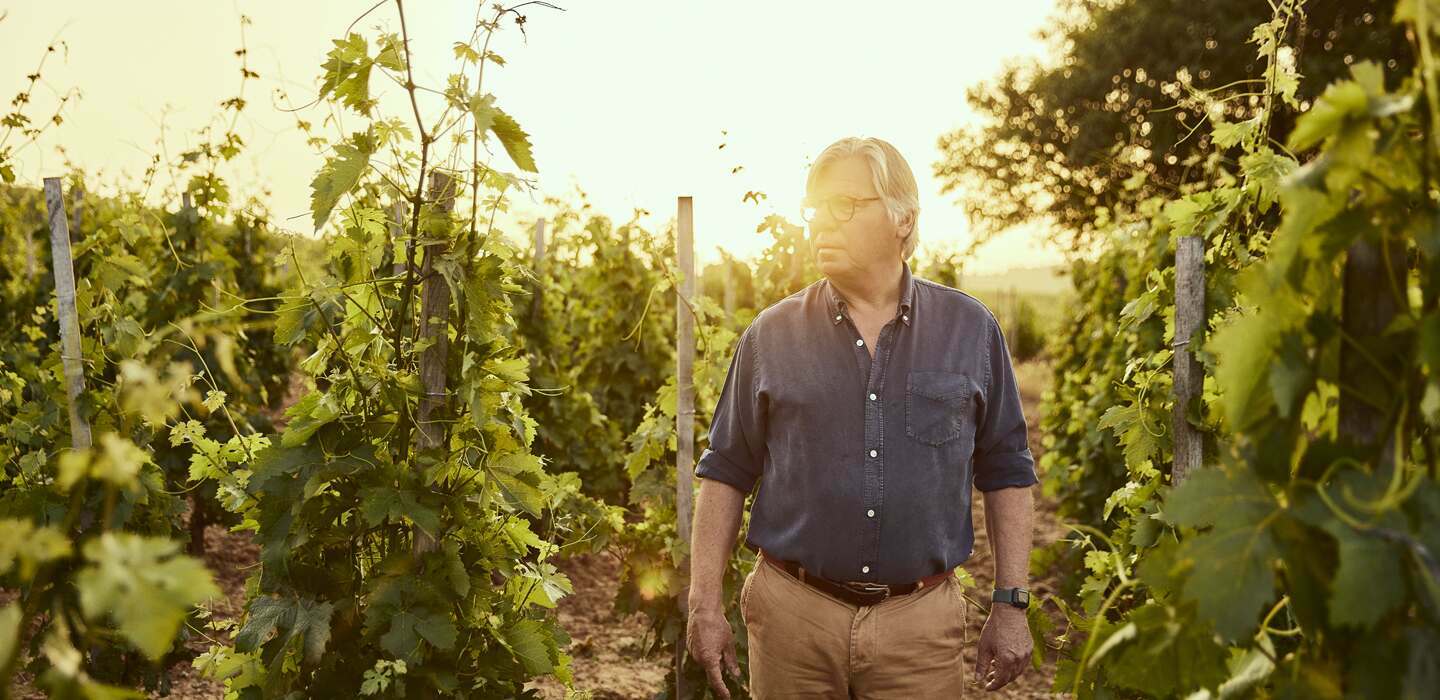
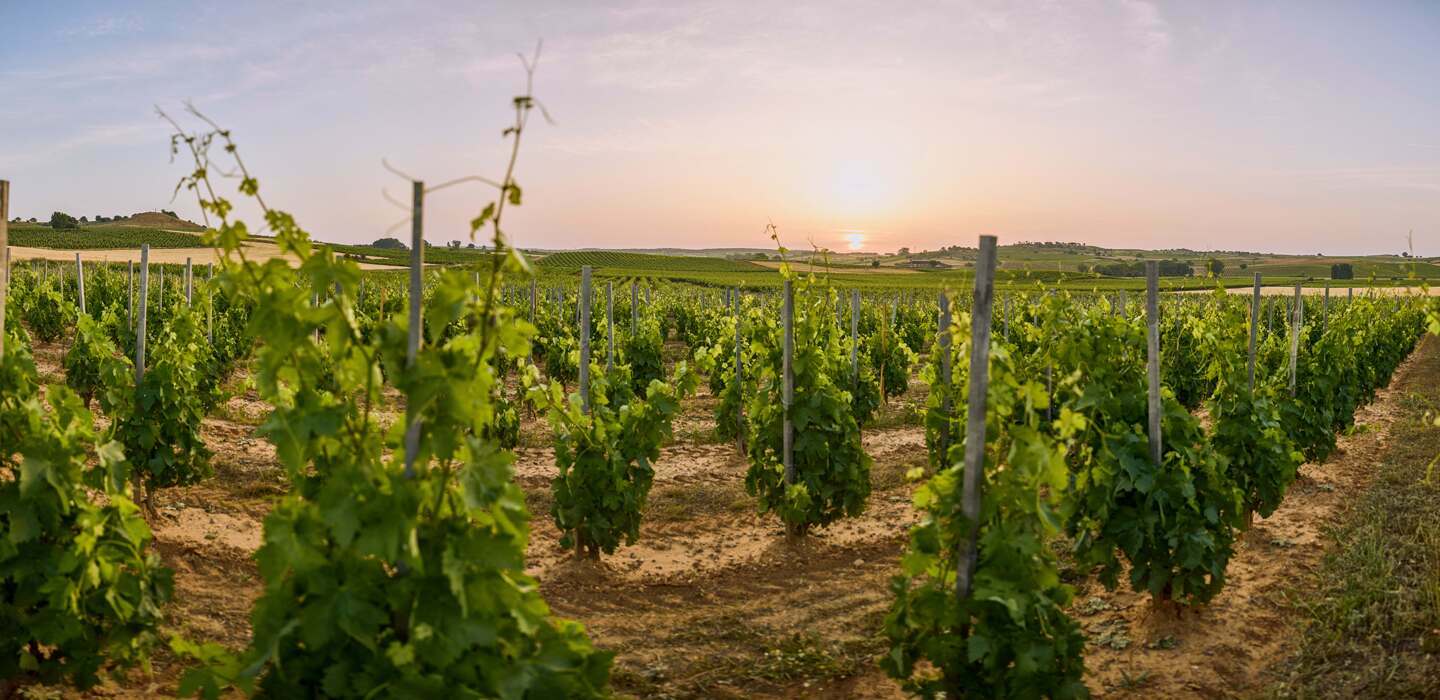
We tasted Peter Sisseck’s 2024 vintage of Dominio de Pingus, Flor de Pingus, PSI and Viña Corrales in April 2025, from sample bottles in the tasting room at his Bordeaux estate, Château Rocheyron. They are a delight — wines of aroma and fine, fine structure. PSI is possibly the best yet, whilst Pingus and Flor de Pingus effortlessly transcend the challenges of the year. April frosts in Ribera del Duero set the tone for a somewhat embattled season, but thanks to over 4,000 paraffin candles, 15 hectares of Peter’s total 35 were protected, including the whole of Pingus. The remainder of the season, although not without its challenges, was “less extreme”, and although volumes were significantly reduced, it was bearable. The unifying aim of the Sisseck estates, whether in Ribera, Saint-Émilion or Jerez — where Peter makes Viña Corrales — is to translate the potential of limestone soils. The vehicles for achieving it are old vines and biodynamic practices. Second wine Flor de Pingus is itself a Ribera benchmark, with PSI completing the line-up and offering a brilliant entry point into the world of old vine fruit in the region. Peter now owns 91 hectares of the 200ha used for PSI. In buying these old vines, a plot at a time, his aim of saving the historic bush vines of Ribera has moved into a more definitive phase. He is compiling an incredible legacy.
GUY SEDDON
HEAD OF FINE WINE BUYING
AUGUST 2025
TASTING NOTES
PSI
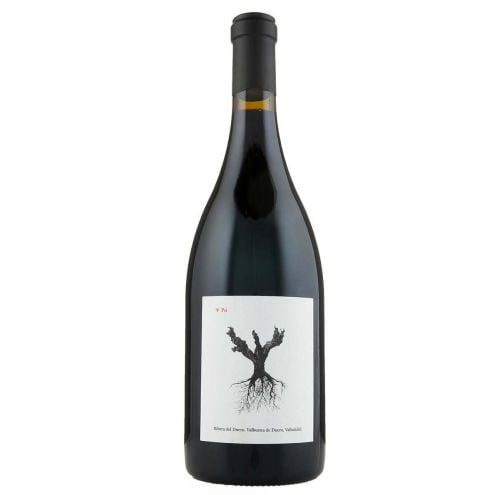
Peter told us that the blend in 2024 is 90% Tinto Fino (Tempranillo) and 10% Garnacha (Grenache). PSI is a blend of small old-vine parcels throughout Ribera del Duero. The average vine age is over 50 years old, with some vines being over a century old. In a tasting line-up, Peter now shows PSI last, after Pingus — surely one of the hardest acts to follow in the world of wine… Aromas of violet and powdered chocolate. The palate offers textured blackberries and red cherries, framed by assertive, grippy tannins. A confident wine that will need some patience. Gone are the days of PSI as a charming early drinker — this is a serious, age-worthy Ribera, one of the most impressive and structured PSIs I can recall tasting. 13.8% abv. Fermented at a cool 23˚C, then aged in large oak vats. It will be bottled in spring 2026.
Corney & Barrow Score 17.5+
Recommended drinking from 2028 – 2035
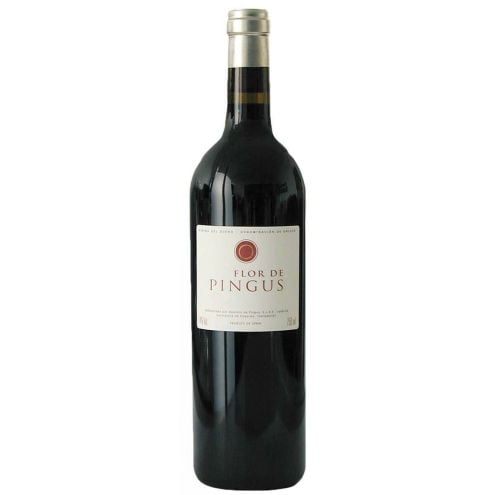
FLOR DE PINGUS
95% Tinto Fino (Tempranillo) and 5% Garnacha (Grenache), inter-planted. Flor de Pingus is made from over 40 hectares of vines dotted around the village of La Horra. The village’s historic old vines make up the core here, with younger vines from massal selection comprising nearly a third of the blend. A paler colour than Pingus itself, as usual, thanks to the small proportion of Garnacha in the blend. Lifted raspberry and red cherry aromas — a pure nose of inviting vitality. The palate is intense, offering a beguiling mix of crunch and hedonistic red berry fruit. The tannins were showing a little grip in April 2025 but will integrate with élevage. 10% new oak, with very light extraction. Fermented at no more than 23°C. 80,000 bottles were
made — fewer than usual.
Corney & Barrow Score 17.5 - 18
Recommended drinking from 2028 – 2040
PINGUS
100% Tinto Fino (Tempranillo). Pingus comes from just over four hectares of very old bush vines, planted in 1929 on limestone-rich soils in the Ribera del Duero village of La Horra. The heart of Pingus is the San Cristóbal plot, with the Barroso vines contributing elegance. Beguiling aromas of violets, blueberries, roses and sweet spices. The palate’s impressive concentration is delivered in nuanced layers — blueberry and violet fruit upfront, then deep blackberries, shiny raspberries and bitter chocolate behind. The tannins are lacy-fine and whilst they currently exert a robust grip, they show every sign of resolving wonderfully with patience. The old vines of Pingus have once again risen above the challenges of the vintage. Pingus is in a class of its own.
Corney & Barrow Score 18
Recommended drinking from 2030 – 2045
VIÑA CORRALES, 2024 SACA
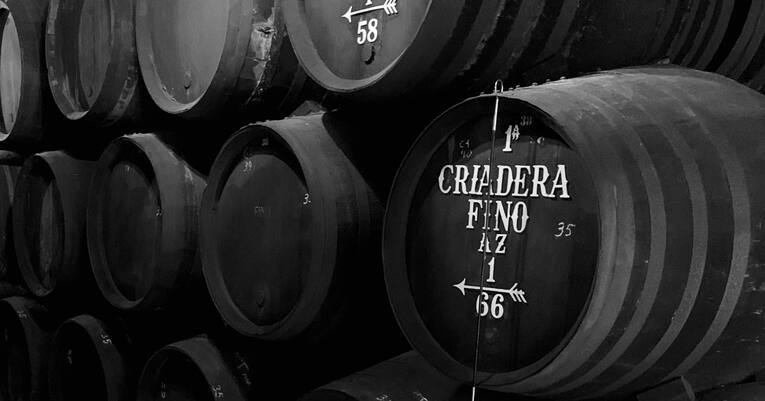
Viña Corrales is a bone-dry Fino Sherry of complexity, finesse and drinkability — a far cry from the sweet sticky stuff anecdotally beloved of grandmothers. The 2024 saca (bottling) is taken from the solera in spring 2024 — hence Saca Primavera 2024 on the back label. Bright golden colour. The nose is explosively yeasty and enticing, with aromas of hay, freshly cut grass, honeysuckle and a touch of mint leaf. The palate opens lean and focussed, building in volume and aroma, revealing flavours of blanched almonds and green olive skin with a granular saltiness running through it. Perhaps the most complete saca yet, this is an absolute joy. Chill down and enjoy with salted almonds, olives and jamón, as is the Spanish way, or try in place of your usual bottle of white Burgundy and pair with richer dishes.
Corney & Barrow Score 18
Recommended drinking from 2025 – 2030
Pingus
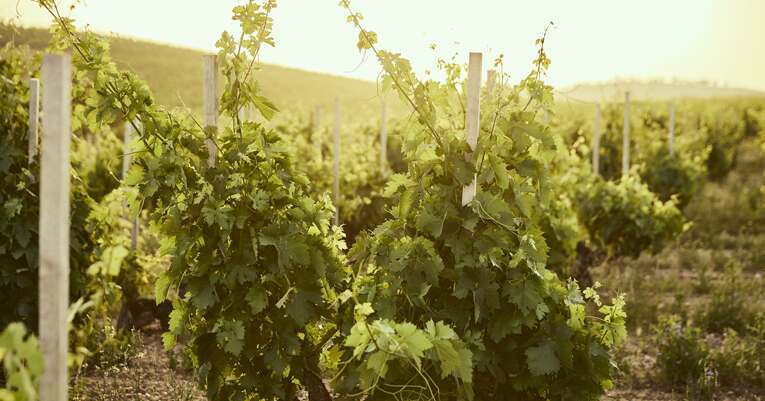
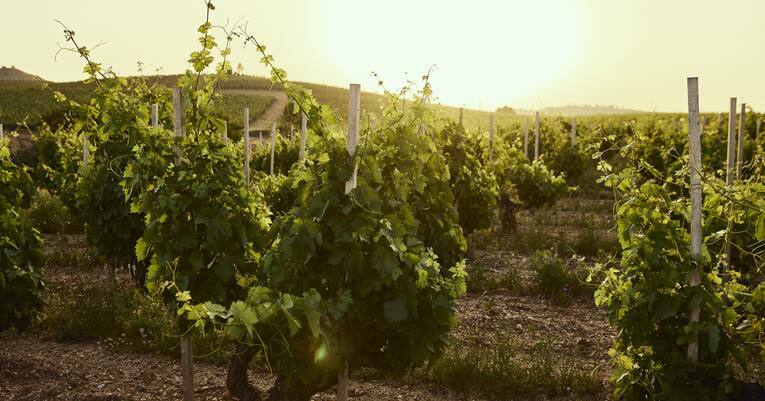
Pingus is made from less than five hectares of vines in La Horra, Ribera del Duero. At 850-900 metres above sea level, La Horra is one of the highest and most easterly of Ribera’s villages. This starkly beautiful landscape is a place of hot days and cool nights. Alluding to this temperature variation and its high proportion of limestone, Peter calls La Horra “the future of Ribera” — especially true when around two-thirds of Ribera’s vineyards are irrigated today. Pingus’ bush vines are a massal selection of the region’s first generation of post-phylloxera vines. Viticulture here has been biodynamic since 2000, aided by the dry, windswept region’s low disease pressure. Having started out with ‘200% new oak’, Pingus has seen no new oak since 2012. It comes from two neighbouring plots, both planted in 1929: San Cristóbal, “the backbone of Pingus”, and the more delicate Barroso.
Flor de Pingus
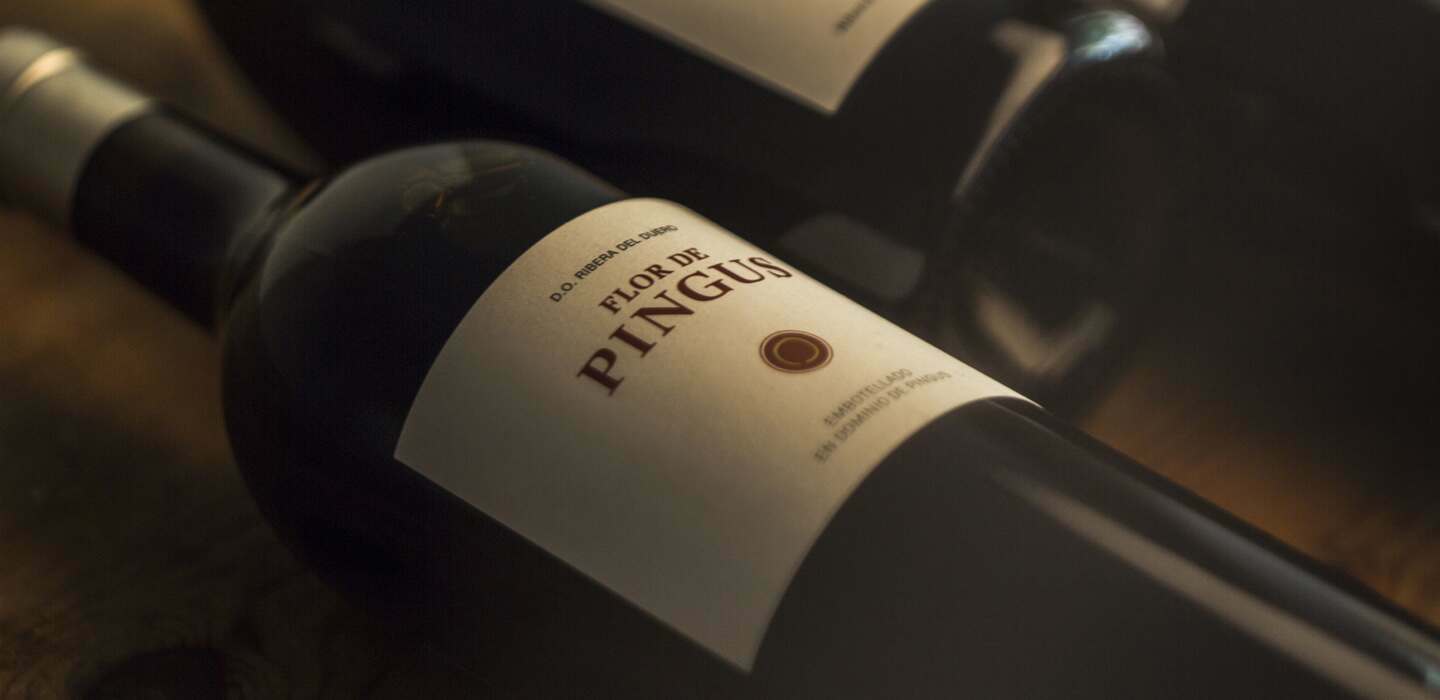
In a way, Flor de Pingus is the range’s flagship — a benchmark of top-quality Ribera that most of us can actually aspire to drink. Flor is a superlative wine of Ribera del Duero, whereas Pingus itself somehow defies its origin. Flor is an extension of the Pingus approach. It comes from 35 hectares owned by the estate, plus another seven hectares in long-term leases, dotted around the village of La Horra. Unlike Pingus, Peter says a small amount of new oak helps to round out Flor’s tannins, whilst a dash of around 5% Garnacha (Grenache) “really freshens it up.” A proportion is fined with egg whites while the rest ages in barrel until early summer.
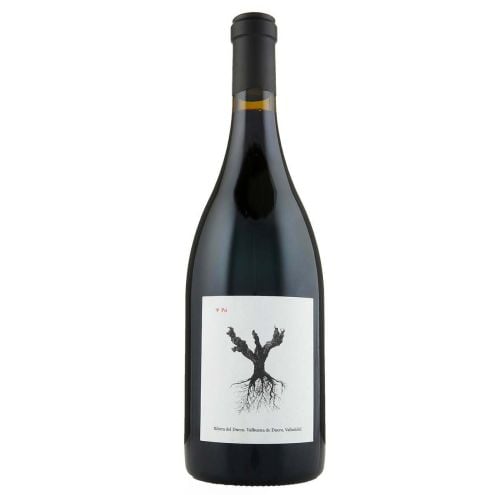
PSI
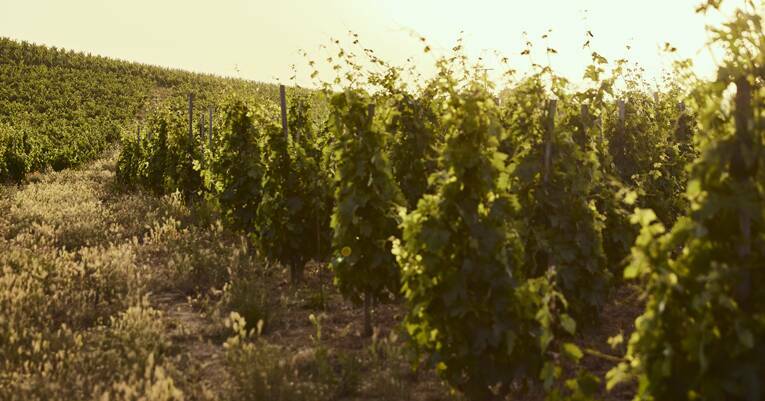
The name PSI comes from both Peter Sisseck’s initials and from the Greek character Ψ, which resembles a bush vine. Without PSI, many of Ribera del Duero’s old bush vines would have been replanted, the low yields making them commercially unviable for many growers. Only by buying grapes well above market rates can Peter persuade the growers to retain them. PSI has been a lifeline for Ribera’s bush vines, since starting in 2007. Based in Aranda de Duero, at the eastern end of the region, Bodegas & Viñedos Alnardo (as the PSI company is called), now also owns 30 hectares of vines. Over 600 parcels go into PSI, from over 20 villages. Of the total 150 hectares, the average plot size is a quarter of a hectare! Around half the total grapes used are bought in. The impressive modern facility includes a large cool chamber, in which grapes are kept at 5°C for a period before fermentation, as well as a state-of-the-art bottling line. Ageing takes place in large wooden vats.
VIÑA CORRALES
While thinking about the great white wines of Spain, it dawned on Peter that the country’s greatest white of all is Fino. Upon visiting Jerez, he had another epiphany: nobody was producing single vineyard Sherry. The Sisseck Sherry revolution puts the idea of terroir centre-stage, in quite a unique way. Peter’s fans will note the theme of limestone at each of his properties, and Bodega San Francisco Javier is no exception. He believes that the Palomino grape is particularly adept at conveying the personality of the region’s limestone albariza soils.
Previous Offers
DOMINIO DE PINGUS & PSI 2023 VINTAGE EN PRIMEUR
DOMINIO DE PINGUS & PSI, 2022 VINTAGE, EN PRIMEUR
DOMINIO DE PINGUS, 2021 VINTAGE EN PRIMEUR

VIÑA CORRALES, JEREZ, FINO FROM PETER SISSECK
DOMINIO DE PINGUS, 2020 VINTAGE EN PRIMEUR
Dominio de Pingus, 2019
The Wine
Flor de Pingus 2024
Spain Castilla Y Leon
- GRAPE Tempranillo blend
- CLOSURE Cork
- LAY DOWN 2028 - 2040
Exclusive
Corney & Barrow
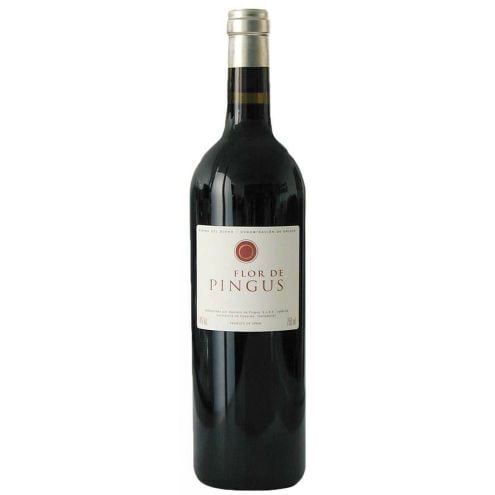
Flor de Pingus 2024
Spain Castilla Y Leon
- GRAPE Tempranillo blend
- CLOSURE Cork
- LAY DOWN 2028 - 2040
Exclusive
Corney & Barrow
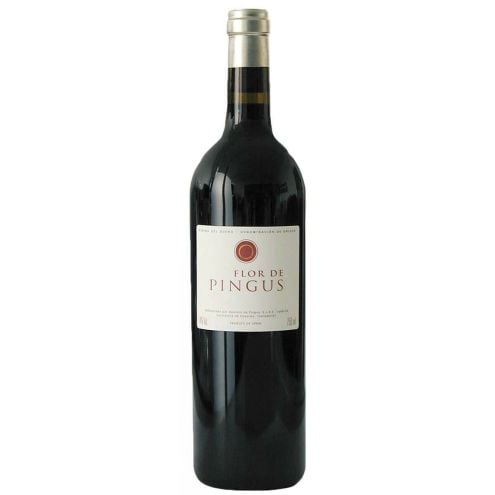
Flor de Pingus Magnum 2024
Spain Castilla Y Leon
- GRAPE Tempranillo blend
- CLOSURE Cork
- LAY DOWN 2028 - 2040
Exclusive
Corney & Barrow
PSI 2024
Spain Castilla Y Leon
- GRAPE Tempranillo blend
- CLOSURE Cork
- LAY DOWN 2028 - 2035
Exclusive
Corney & Barrow
PSI Magnum 2024
Spain Castilla Y Leon
- GRAPE Tempranillo blend
- CLOSURE Cork
- LAY DOWN 2028 - 2035
Exclusive
Corney & Barrow