It looks like you are still using an browser that is no longer supported with security updates. Some features on this site may not work including the checkout. We strongly recommend that you either update your browser or use another one such as:

Google Chrome Microsoft Edge Firefox Safari
Contact us
About us
403 Forbidden

403 Forbidden

ERR_WEB_NGX_403
Loading...

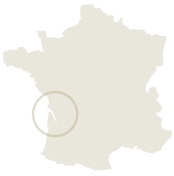
The illustrious French wine region of Bordeaux is located in southwestern France [link?] on the Garonne River, which leads to the Gironde Estuary. It produces more fine wines than anywhere else in the world, despite the most famous of these only representing less than 5% of Bordeaux’s total production.

Red wines [link?] typically make up around 85% of all wine made here, principally made from grape varieties Cabernet Sauvignon [link?] and Merlot [link?]. These wines are known for their great ageing potential and rustic tannic structure, which historically took many years of cellaring to soften. Affectionately known to the British as Claret, coming from the French term Clairet to describe a dark pink rosé synonymous with Bordeaux, the UK remains one of the most important markets for the region.

Today, Bordeaux offers an enormous spectrum of styles, from sparkling crémant [link?] to lusciously sweet Sauternes [link?], at an equally broad price range.

  • 57

    Appellations across Bordeaux.

  • 61

    Châteaux were included in the 1855 classification.

  • 6100

    Wine estate owners & growers (approx).

Bordeaux

Exclusive Region

Exclusive

CHÂTEAU ROCHEYRON

An estate owned by Peter Sisseck, celebrated for his iconic Dominio de Pingus from Ribera del Duero in Spain.

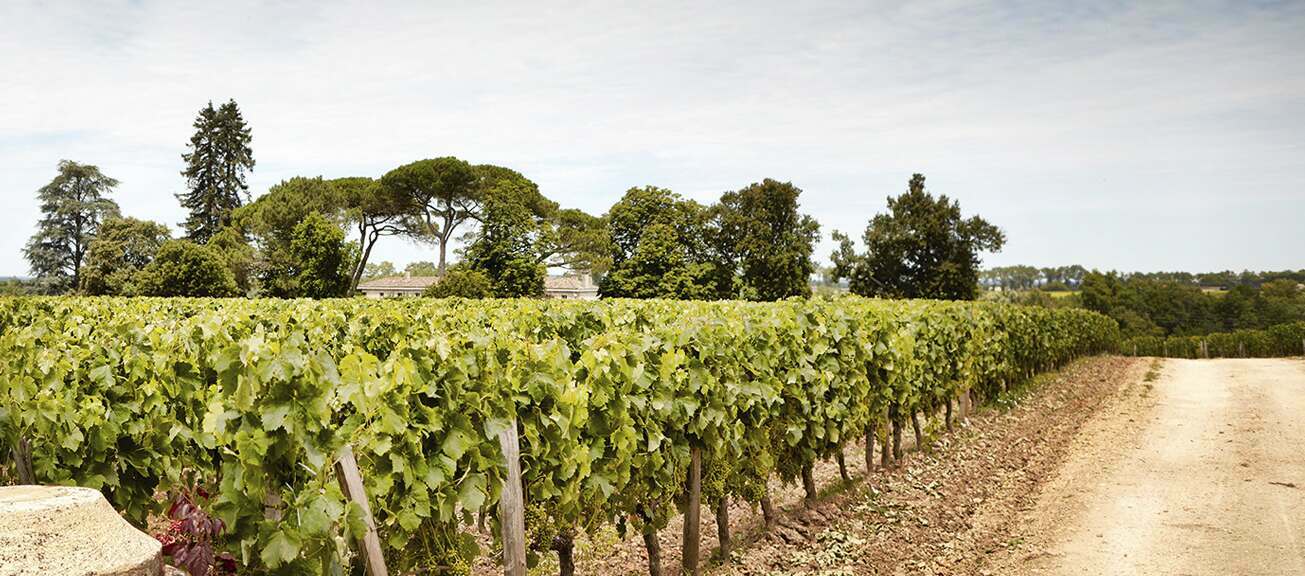
Peter, Danish by birth, has certainly taken the road less travelled. He built a considerable reputation in Spain, settling there after having studied originally in Bordeaux. In Château Rocheyron, Saint Emilion Grand Cru, in partnership with wine aficionado Silvio Dentz, Peter has returned to his spiritual home with a unique opportunity to develop his longstanding love for Bordeaux.
Exclusive

CHÂTEAU ROCHEYRON 2

An estate owned by Peter Sisseck, celebrated for his iconic Dominio de Pingus from Ribera del Duero in Spain.

Peter, Danish by birth, has certainly taken the road less travelled. He built a considerable reputation in Spain, settling there after having studied originally in Bordeaux. In Château Rocheyron, Saint Emilion Grand Cru, in partnership with wine aficionado Silvio Dentz, Peter has returned to his spiritual home with a unique opportunity to develop his longstanding love for Bordeaux.

Exclusive

CHÂTEAU ROCHEYRON 3

An estate owned by Peter Sisseck, celebrated for his iconic Dominio de Pingus from Ribera del Duero in Spain.

Peter, Danish by birth, has certainly taken the road less travelled. He built a considerable reputation in Spain, settling there after having studied originally in Bordeaux. In Château Rocheyron, Saint Emilion Grand Cru, in partnership with wine aficionado Silvio Dentz, Peter has returned to his spiritual home with a unique opportunity to develop his longstanding love for Bordeaux.

In 1851, the vine disease Powdery Mildew hit Bordeaux vineyards. It took until 1857 to discover that spaying the vines with sulphate killed off the disease. In the meantime, the famous classification of 1855 commenced at the request of Napoleon III. This included 60 châteaux from the Médoc and just one from Pessac-Léognan (Château Haut-Brion) to be ranked into five categories for the reds (from first growths to fifth growths) and 27 properties from Sauternes and Barsac for the sweets. Only one revision has ever been made since 1855, when Château Mouton Rothschild was promoted from Deuxième Grands Cru Classé to Premier Grands Cru Classé in 1973.

Unfortunately, Bordeaux was not unscathed by the severe onset of phylloxera, which destroyed multiple vineyards in the region (and indeed beyond) between 1875 and 1892. After eventual relief by grafting their vines onto American vine rootstocks (which are resistant to the louse), Bordeaux vineyards were hit once again, this time by Downy Mildew. By 1882, the fungus ripped through all of France’s vineyards but was finally saved by the so-called Bordeaux Mixture in 1885 – containing a mixture of lime, copper sulphate and water – a spray that is still widely used today.

Saint-Émilion’s classification was established in 1954, nearly 100 years after the Médoc. A big difference here, however, is that the classifications are reviewed every ten years, which has been known to cause some conflict! There are currently 82 châteaux included: 64 Grand Crus Classés and 18 Premiers Grands Crus Classés (split into ‘A’ and ‘B’).

Pomerol is the only fine wine district in the region without a classification system, but Château Pétrus is regarded as an honorary first growth wine.

Geography

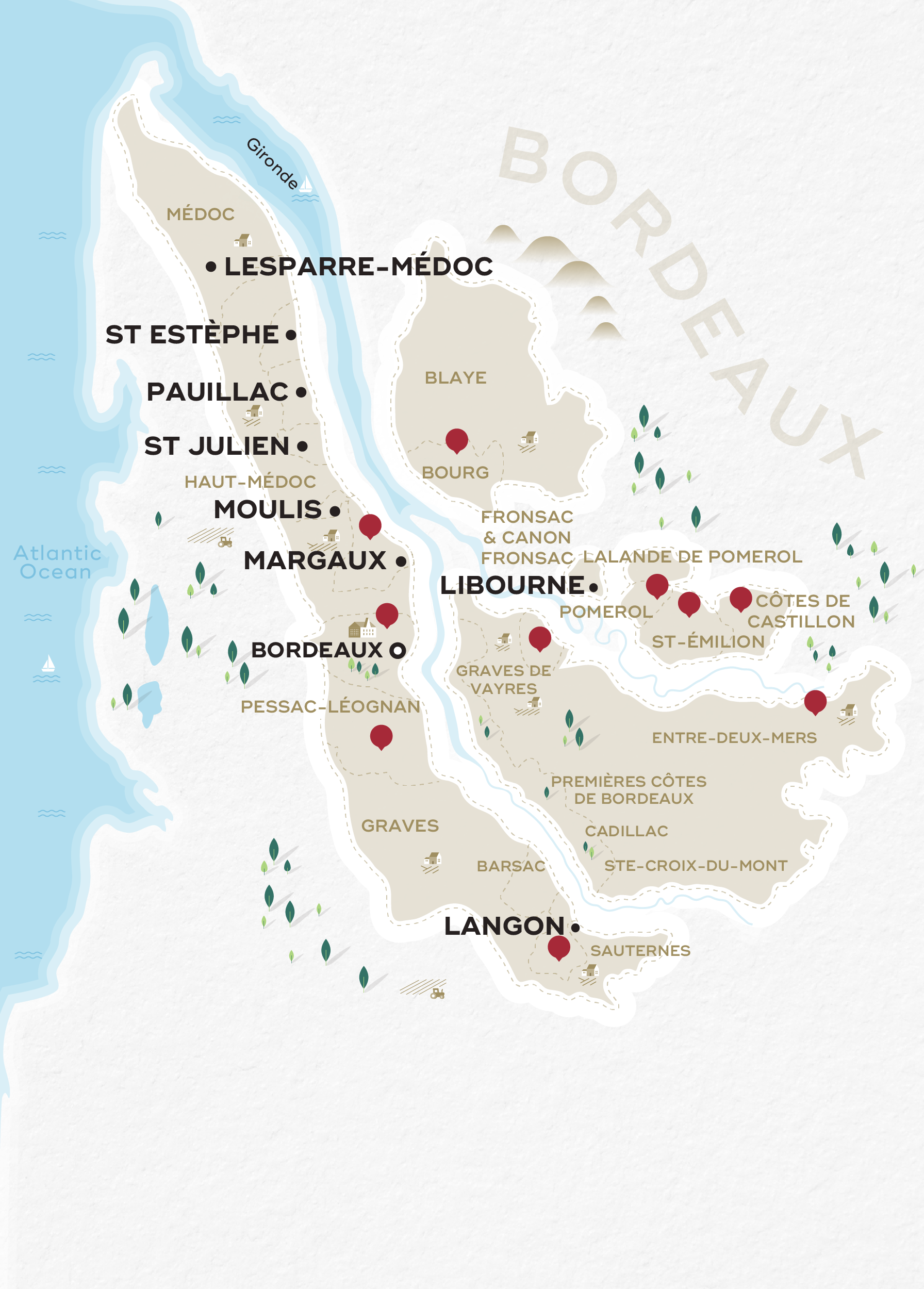
Bordeaux hugs the Gironde estuary from the Atlantic Ocean, which then splits into the Garonne and Dordogne rivers. Vineyards within Bordeaux are often divided into ‘Left Bank’ (to the west) and ‘Right Bank’ (to the east), depending on which side of the Gironde they sit on. Situated to the left, the Médoc boasts some of the region’s most impressive châteaux, made famous by the 1855 classification. The appellations (from north to south) include Médoc, Saint-Estèphe, Pauillac, Saint-Julien, Listrac-Médoc, Moulis, Margaux and Haut-Médoc. Further south, you can find Pessac-Léognan and Graves, recognised for both reds and dry whites, before reaching Barsac and Sauternes, known for luscious dessert wines and, increasingly, dry whites. On the right-hand side, the hallowed appellations within the Libournais include Saint-Émilion and Pomerol, along with other highly regarded areas such as Fronsac and Laland-de-Pomerol. The Blaye and Bourg appellations are located north of the Libornais on the Right Bank, while the Entre-Deux-Mers (between two seas) sits between the Dordogne and Garonne rivers. It is also important to note that AOC Bordeaux and Bordeaux Supérieur cover the whole region.

Soils

Many of the appellations’ terroir is nuanced by a mosaic of soils, aspects and altitudes, with many châteaux putting strong cases forward of having their own unique microclimates. However, to give a general overview, vineyards on the left tend to have more alluvial and gravel soils, which are better suited to Cabernet Sauvignon. On the right, the soils are more limestone and clay dominant which prefers Merlot. Many properties throughout the region practice organic and/ or biodynamic viticulture to ensure the best quality grapes. To find out more about biodynamics, read our blog about

En Primeur

A wine buying system that originated in Bordeaux centuries ago, which has developed over time to what it is today. Especially important in tough economic times, such as after the devastation of World War II, en primeur provided a way for winemakers to sell their wines before they were bottled to merchants, ensuring a much-needed cash flow. By the 1970s, this pre-ordering system became more about merchants being able to secure larger quantities of sort-after wines. The British quickly became one of the most important markets for buying wines this way and we have continued to do so over 50 years later. For more information on how to buy wines en primeur, read our blog here.

Wine Types

Although most famous for its red wines [link?], known for their berry fruit flavours, firm tannic structure and ageing potential, Bordeaux also makes refined sparkling wines [link?] (known as Crémant de Bordeaux), refreshing and often sophisticated dry white wines [link?], delicate and fruit-laden rosés [link?] and luxurious dessert wines [link?] from Sauternes and Barsac.

Grapes

Bordeaux winemakers are masters of blending grape varieties, especially for the most prestigious châteaux. The properties in the Médoc generally have terroir better suited to Cabernet Sauvignon [link?], which is often complemented by Merlot [link?] and smaller quantities of grapes such as Malbec [link?], Carménère [link?] and Petit Verdot [link?]. Vineyards in the Libournais area favour Merlot and Cabernet Franc [link?] as their principal grape varieties. For dry white wines and sweet wines, Sauvignon Blanc [link?] and Sémillon [link?] represent the majority of plantings, with a small amount of Muscadelle [link?] used by some producers.

Notable Wines

(the first growths) We generally get some wines in the broking list that are first growths, we can’t link to them as it is not regular stock but eventually, we would like to link to a specially written blog about them. If looking for fine wines, there are many to note of from this region! Some of the most famous châteaux include Margaux, Lafite, Mouton-Rothschild, Latour and Haut-Brion as the first growths in the Médoc. There are many other wines regarded as ‘super seconds’; that is to say, they are of first growth quality, but without updating the original classifications of 1855, they remain labelled as second or even third growths. Such wines include Châteaux Léoville Las Cases, Pichon-Longueville-Lalande, La Mission Haut-Brion and Palmer. In Saint-Émilion, the top classification is held by Châteaux Cheval-Blanc, Ausone, Angelus, Pavie, and most recently, Figeac. Although Pomerol has no official classification system, the most noteworthy wines here are Châteaux Pétrus, Vieux Château Certan, Clinet, Lafleau-Gazin and Bourgneuf. For the sweet wines of Sauternes and Barsac, the prized jewel is Château d’Yquem, the only property to be classified as Premier Cru Supérieur, a title that no red wine has received! The first growths consist of 11 properties, including Châteaux Climens, Coutet, Guiraud, Rieussec and Suduiraut. Other notable names from les Deuxièmes Crus include Châteaux Doisy-Daëne, Doisy-Védrines and Filhot.
In-Bond / Retail products

Your cart contains both retail and in-bond products, you cannot checkout with both.